
TL;DR
How you model your MongoDB schema depends on your app. I walk through the basics of data modeling with real-world examples so you can stop guessing and start making informed schema decisions.
Thanks for coming to my talk, MongoDB Schema Design Best Practices. Here you will find all the resources discussed during the talk.
About
“How do I model my schema for my application?” It’s one of the most common questions devs have pertaining to MongoDB. And the answer is, it depends. This is because document databases have a rich vocabulary that is capable of expressing data relationships in more nuanced ways than SQL. There are many things to consider when picking a schema. is your app read or write-heavy? What data is frequently accessed together? What are your performance considerations? How will your data set grow and scale? If you’re coming from a SQL background, I wrote a separate post on moving from SQL to NoSQL that covers how to shift your thinking about data modeling.
In this talk, we will discuss the basics of data modeling using real-world examples. You will learn common methodologies and vocabulary you can use when designing your database schema on your application.
Video
If you are having trouble with the embedded link, you can check out the video here: https://www.youtube.com/watch?v=leNCfU5SYR8
Slides
Related Links

Joe Karlsson
Developer Marketing Engineer at CData, leading developer growth for the managed MCP platform that connects AI agents to live enterprise data. Writing about databases, self-hosting, and the things I build. Runs a 60+ container Proxmox homelab with AI-powered automations.
cat newsletter.md
I write a weekly newsletter about databases, self-hosting, and whatever I'm building.
Subscribe on Substack →Related Posts
Oct 2, 2025
How to Design a Cloud Asset Inventory for AWS
Learn the five essential design principles for building cloud asset inventories that deliver results - freshness, completeness, normalization, queryability, and extensibility. Discover the maturity stages from ad-hoc scripts to optimized systems with predictive analytics and real-time decision making.
Mar 12, 2025
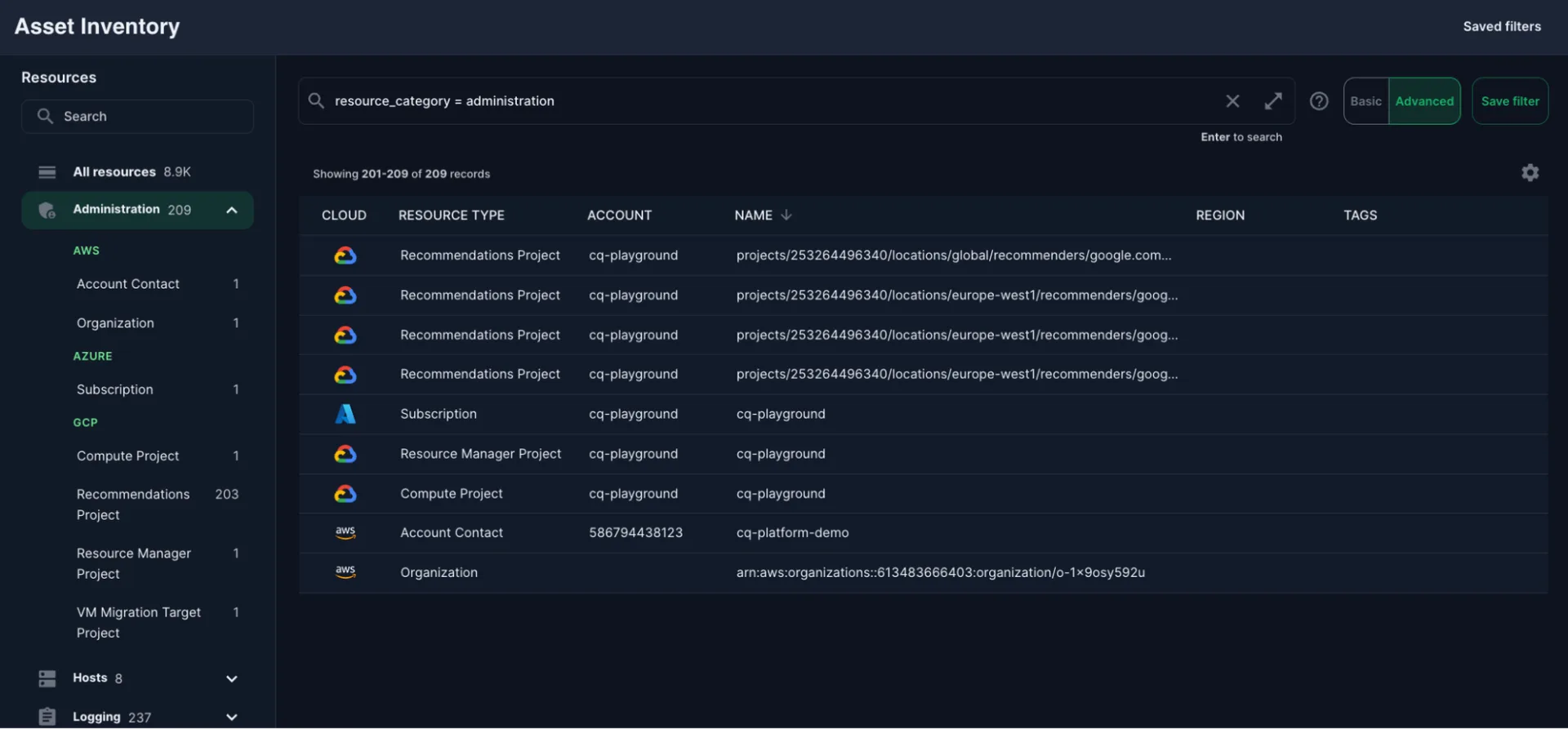
The Best Way to Keep Your Cloud Inventory Up to Date
Keeping cloud asset data up to date across AWS, GCP, Azure, and Kubernetes has been a challenge until now. CloudQuery Data Pipelines automate syncing, normalizing, and structuring cloud data into a unified format. No more fragile scripts or manual exports. See how it works

Jun 29, 2021
How to Manage MongoDB Data at Scale
Let’s face it: Your data can get stale and old quickly. But just because the data isn’t being used as often as it once was doesn’t mean that it’s not still valuable or that it won’t be valuable again...