Shadow artists: a reflection on The Artist’s Way from a software engineer
Blog My Artist’s Way review as a software engineer who quit art in 2008: morning pages stuck, artist dates got me playing, and dreaming bigger never came.
TL;DR I finished all 12 weeks of Julia Cameron’s The Artist’s Way as a software engineer who gave up art for a stable job in 2008, and I think everyone in tech should read it. Morning pages are the habit I’m keeping, and artist dates got me back into poetry, drawing and sculpture parks. The book also made me more confident in my taste at work. The part I couldn’t do was dream bigger: Cameron is right to push, but bigger usually means more responsibility and less time, and what I want is about how I work. The God language is the main hurdle, and I read it the way AA treats a higher power.
On this page
In high school I wanted to draw comic books. Then I started college in 2008, in the middle of the Great Recession, picked the stable job, and spent most of my career writing code instead. Julia Cameron’s The Artist’s Way is the first thing in years that got me listening to that kid again.
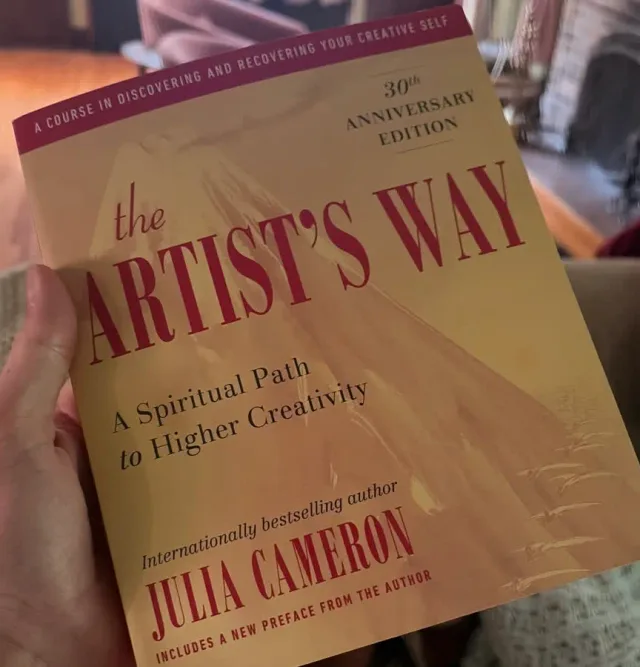
I just finished all 12 weeks1. The morning pages and artist dates worked on me. Dreaming bigger didn’t, and that’s the part I keep thinking about.
College is where I started cutting off the artist in me. I minored in math, and I held onto an art history minor because it kept me connected to something.
Tech then was optimistic and all about the hustle and the grind. In my experience it rewarded people who were insanely good at one narrow thing, not people with balanced, creative lives, and in my humble opinion that has hurt the whole field. I played the part. I got good at programming and stayed focused. I also stopped listening to and trusting myself, and I felt disconnected.
Even the things I made for fun didn’t feel like art. I had some success with short videos on TikTok and Instagram, but it felt like performing and teaching. I still hate video editing. Making videos makes me break out in a cold sweat.
Cameron spends part of the first week2 on shadow artists: people who live close to art without making their own, often in careers right next to the dream they set down. That’s me. I ended up in developer marketing, a creative job inside a technical field, and I’ve done well there.
I’ve always felt like a bit of an outsider in tech. After reading the book, I see that as one of the biggest strengths I bring to my work.
Morning pages3 are three pages of longhand, stream-of-consciousness writing, every morning, about anything. They’re the core of the book, and they’re what I’m keeping. I think about the same stuff over and over, and dumping it onto the page lets me stop. I’ve written more about what that does for my workday.
I write them every day. My partner and I do them together, which makes it easier, and reading the book with someone meant we could talk through each chapter and then write about it.
I couldn’t find a study of morning pages themselves. The closest research is on expressive writing, where a 2006 meta-analysis of 146 studies4 found a real but small average benefit. So I can’t call them proven. I can only say they help me.
Plenty of people keep them up long after the book. Lexi Merritt has been writing them for five years5 (“These pages are the canon of my life.”). Here’s Cameron explaining them herself:
Artist dates got me back into poetry, drawing and sculpture parks. Cameron defines an artist date3 as a once-a-week solo outing to do something fun. I take them alone and with friends.
An artist date doesn’t have to be a big outing. In my Kiki’s Delivery Service review I wrote about Ursula telling Kiki what she does when she can’t paint: walk, look at the scenery, nap, and wait for the urge to come back.
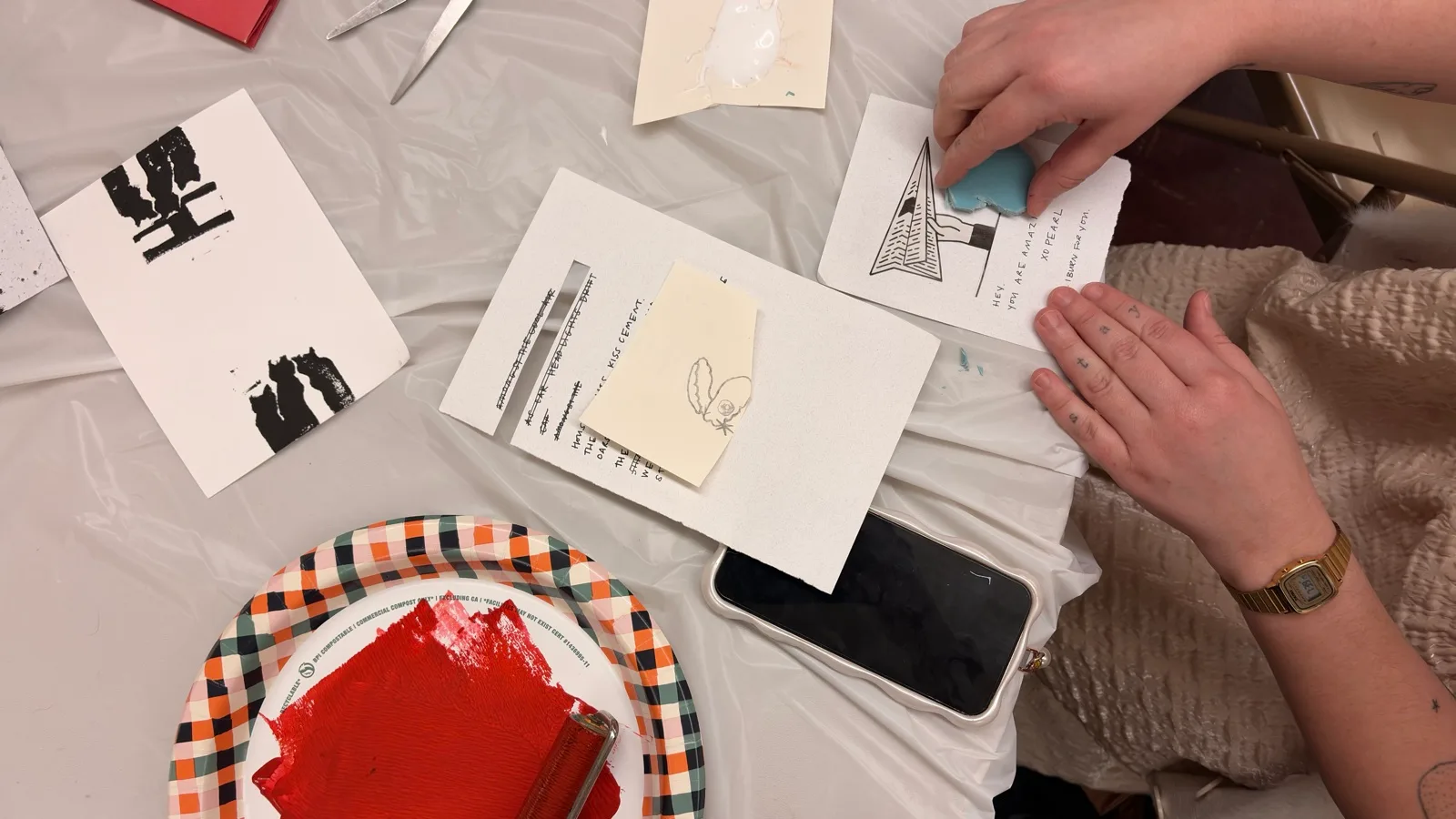
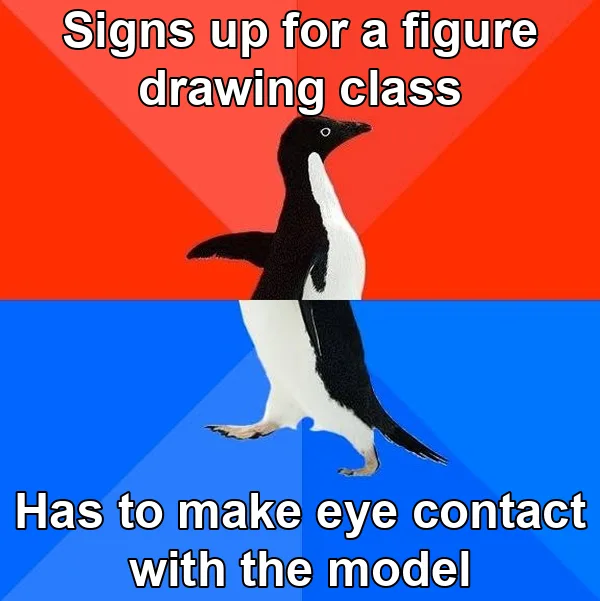
This fall I finished a poetry class and signed up for a figure drawing class.
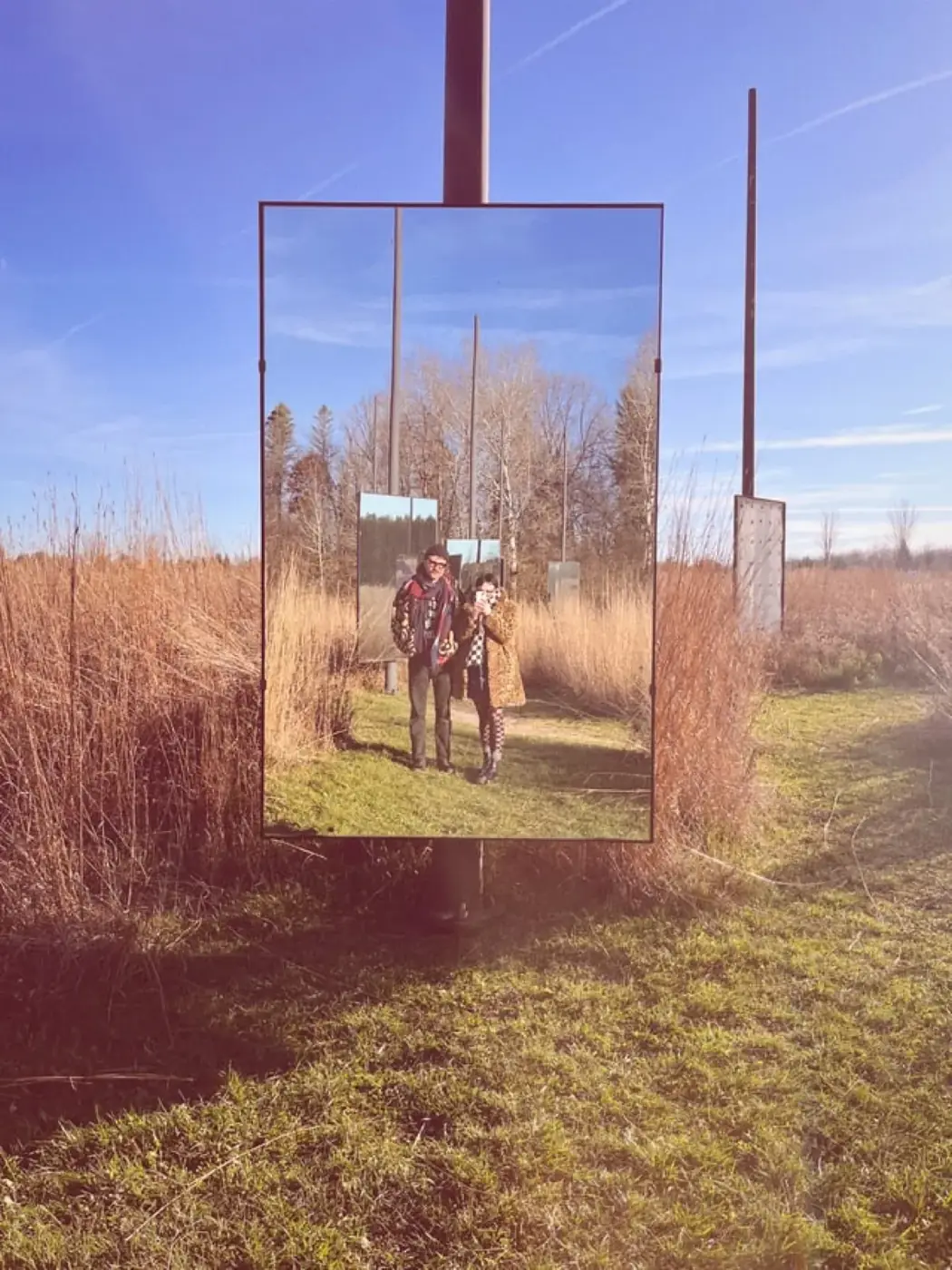
Last weekend I went to Franconia Sculpture Park to see the giant sculptures one more time before winter hits here in Minnesota.

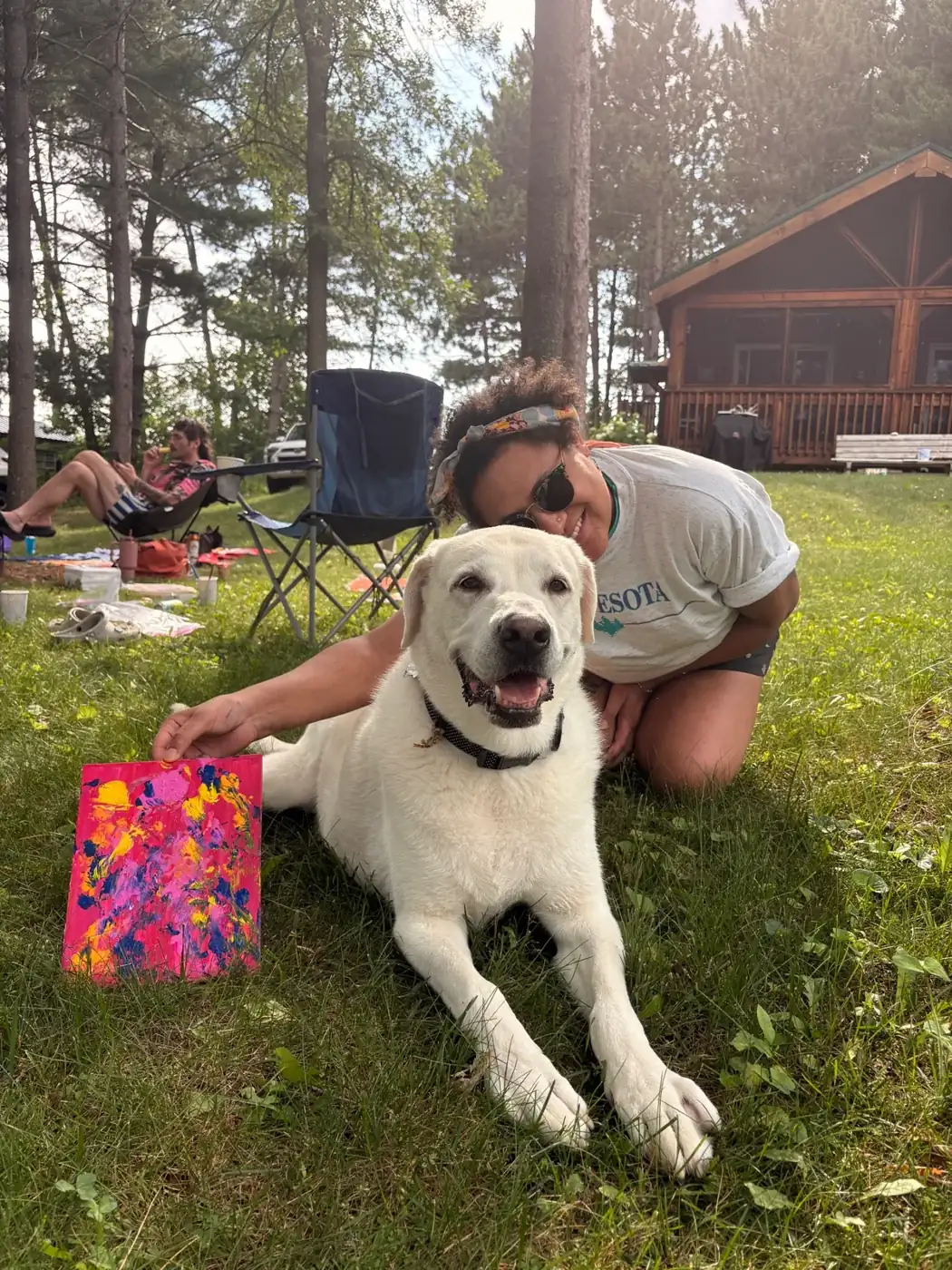
My artist date with friends happens every summer: I host a weekend at my parents’ cabin where we hang out in the river, eat way too much food, and everyone has to bring an art or craft project to share with the group.


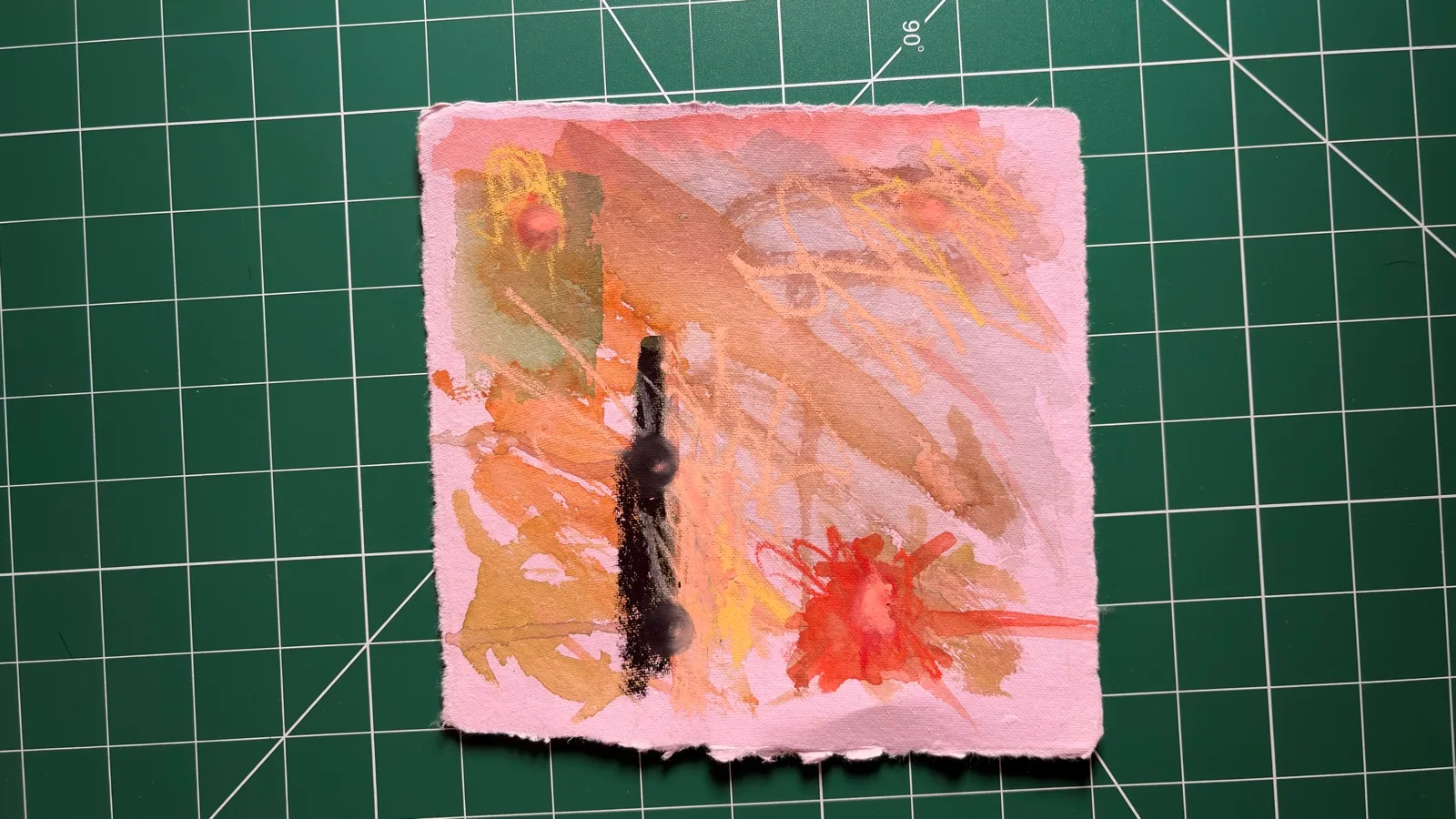
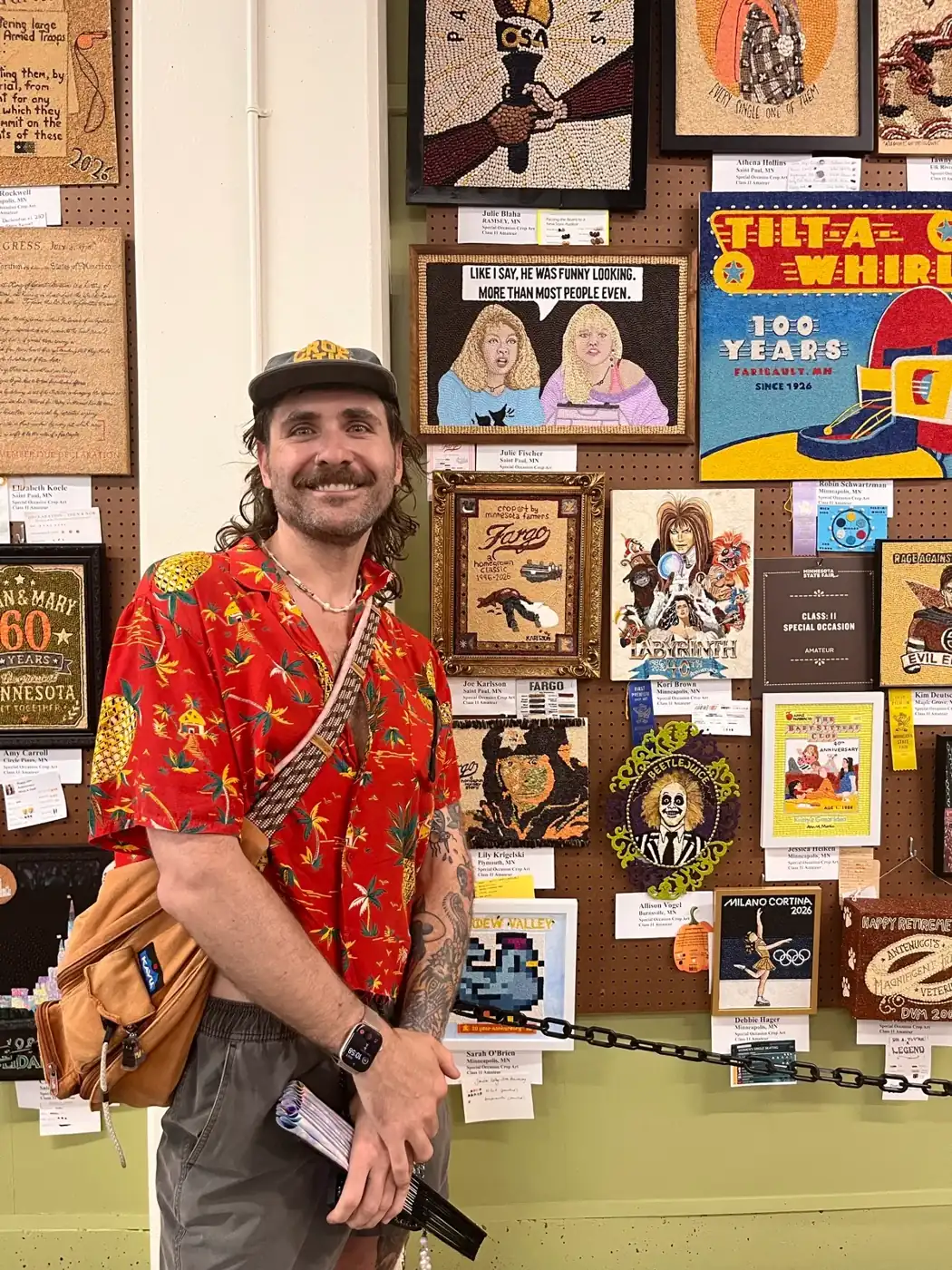
So I started making art again, and it never felt weird. These days that means painting, collage, poetry and crop art, and you can see some of it on my Works page.
Work has been so much better. The morning pages put me more in touch with what I feel, want and need, and I’ve never been this aware of what’s going on with me. They’ve also made me more confident in my taste and in what I think needs to get done, and I’ve gotten better at saying it out loud.
The biggest change was realizing I didn’t have to wait for permission to make something. Connect AI × DOOM came straight out of that. It was an idea I’d already pitched at work, and it hadn’t landed, but I knew it was there. So I built it, and it turned out to be a big hit.
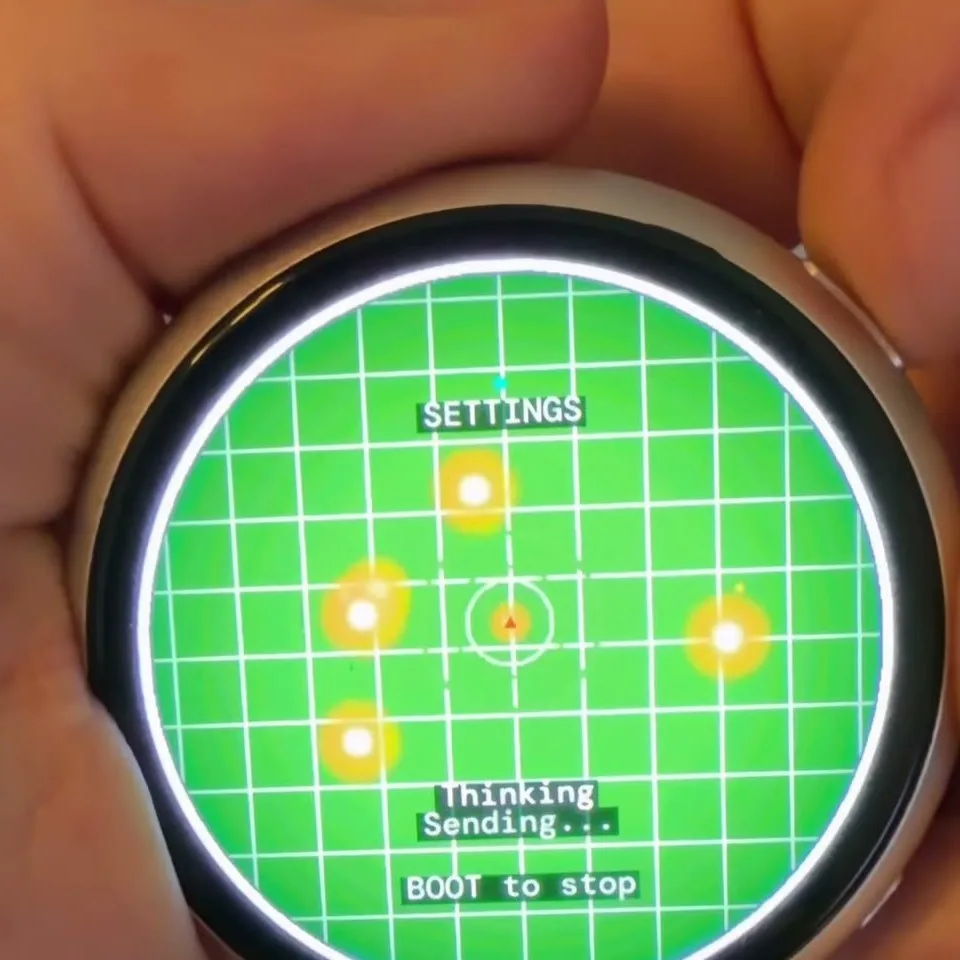
My Dragon Ball scanner came from the same place. It’s a $50 ESP32 with custom firmware that animates it like the scanner from Dragon Ball, and it talks to my self-hosted Hermes server, which is hooked up to all my MCP servers at home. I can ask it which lights are on or what I need to do for work that day.
Little wins like that taught me that my ideas count. I think that needs saying, especially in the age of AI. What do I bring to the table that nobody else, and no computer, can? Being able to answer that out loud is going to be one of the most important skills for creative knowledge workers.
Artist dates are scheduled play, and play shouldn’t need a productivity excuse. When I wrote the cognitive case for play in technical work Aug 31, 2026The Cognitive Case for Play in Technical Work, I framed it in technical terms on purpose so technical people would take it seriously. I wish they’d take it seriously on a more spiritual level, too.
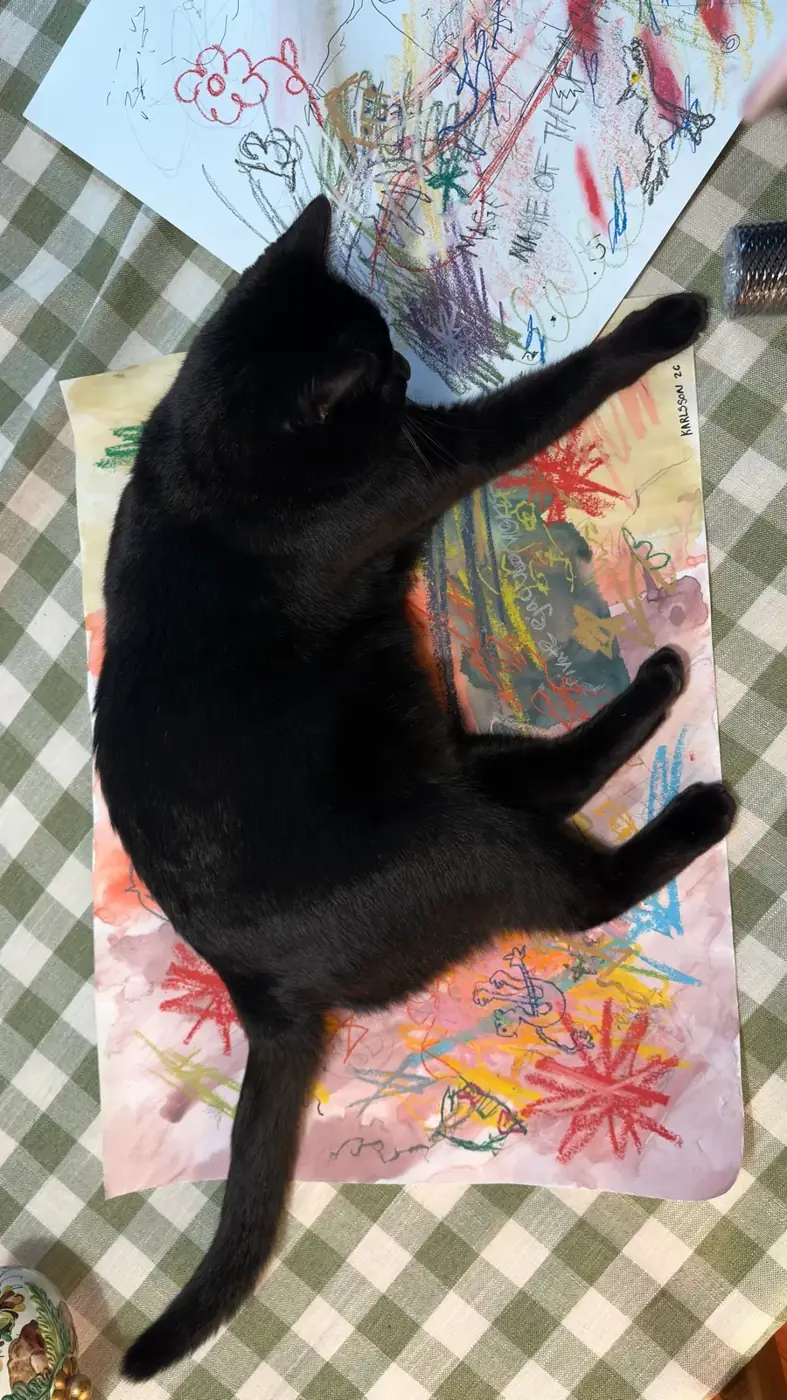
When I can be playful at work, my work is better. I’m in a creative job, and I have some successes under my belt that give me room to play. Not everyone has that room.
It’s the same culture that made me stop making art in 2008, and it hasn’t gone anywhere. Working in tech, and working in America, everything is stressful and everything is urgent for no reason. We’re told to push and push without much thought beyond this quarter’s earnings, which could always be higher. Hit a goal, and the goal gets reset so the urgency comes back. Stress for stress’s sake stresses me out. It’s part of the game, and I still don’t understand it. Having to sell play as a productivity trick does it a massive disservice.
The God language is my biggest gripe with the book, and it’s the warning I give everyone who picks it up. Cameron was raised Catholic,1 with 16 years of Catholic education6, and the book frames creativity in those terms: your creativity is God’s gift to you, and using it is your gift back to God. That’s fine. It just never fully connected for me. I see it as a commitment to myself: to make things, and to stay connected to myself while I do.
My advice is to treat it the way AA treats a higher power: frame it in whatever light makes sense to you.
I do think there’s something more universal in Cameron’s idea. I like how David Lynch talks about creativity in Catching the Big Fish7 (“Ideas are like fish.”): ideas come through you, and you have to pay close attention to catch them. He did that through Transcendental Meditation. Cameron does it through her walks and morning pages.
Dreaming bigger was the hardest part of the book for me, and I’m still struggling with it. The book keeps pushing you to do it, chapter after chapter.
I’m content with my beautiful little life here in Minnesota. I own a house and I’m stable. I have loving friends and people in my life who support me, and I have the means to go after my interests and passions. That’s also why the book’s money chapter, where Defector’s writers pushed back8, didn’t bother me: I feel blessed with the money I make, and I live in St. Paul, an affordable part of the country.
When the book asked me to picture a bigger life, I had a hard time coming up with anything. It kept asking, so I watched a movie about a painter in a SoHo loft to see what the big version looks like.
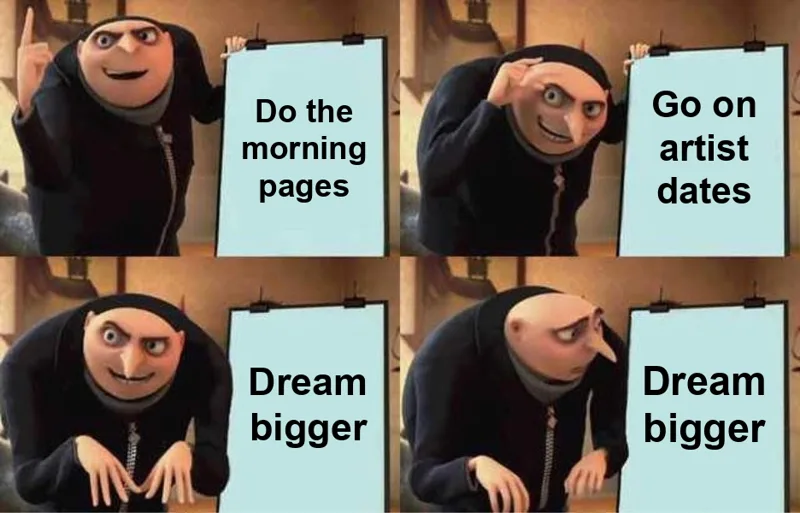
Part of why it’s hard is my career. Sometimes it’s felt like my career was dictated to me. Now I’m in a position to take control of it again and choose the direction I want to go, and that’s going well. It still hasn’t turned into a big dream.
I think Cameron is right to push. The hard part is what dreaming bigger means in our society: more responsibility, more hours, less time for yourself. I don’t dream of that labor. Every time I think about a job that might be cool, I start thinking about all the hard work that comes with it, and that work doesn’t bring me joy.
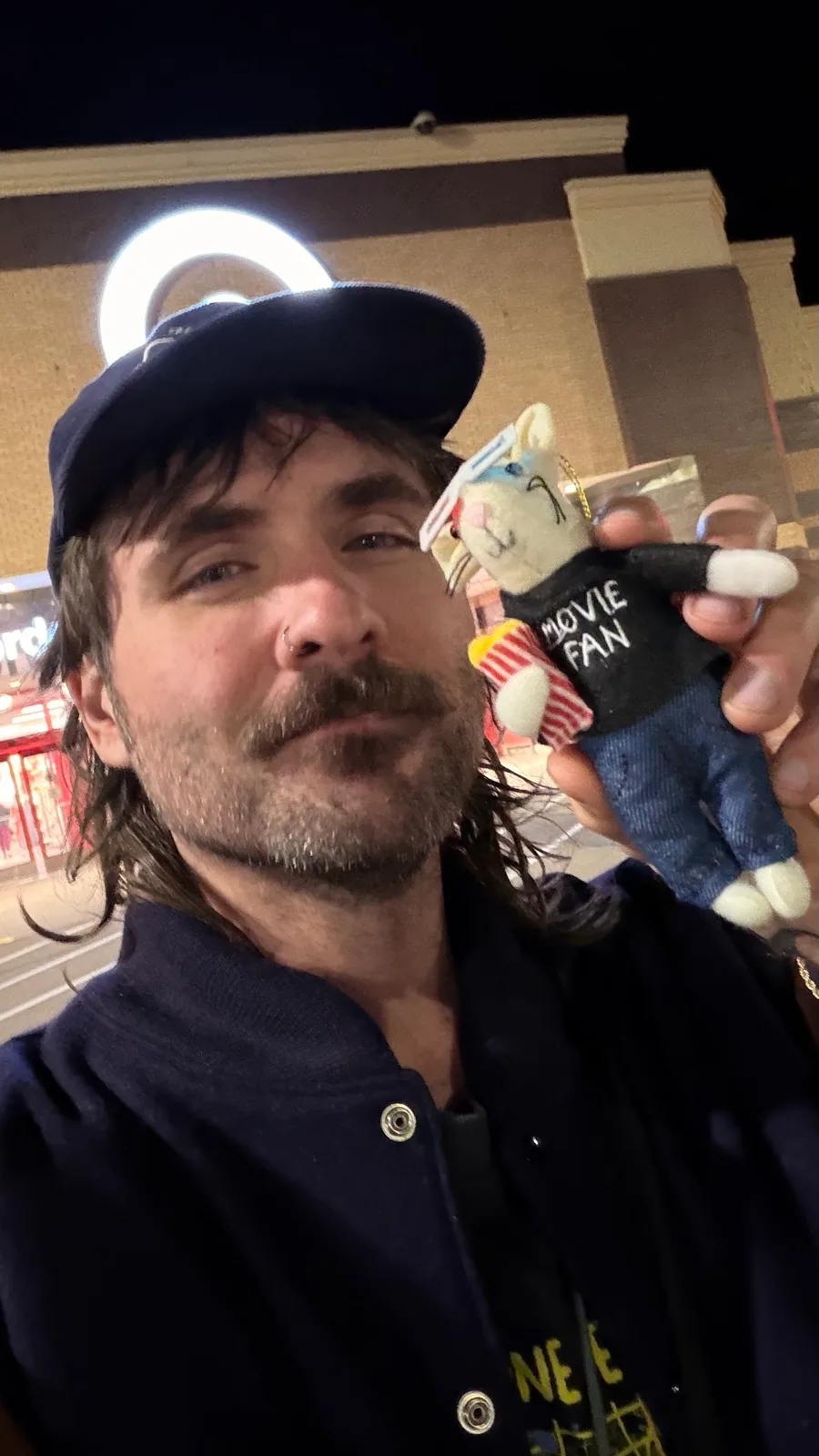
I know a lot more about what I don’t want. I love film and I love writing about film, but I don’t want to be a director or an actor. I don’t want to be a CMO, a CEO or a CTO, and I don’t want a huge amount of responsibility. I don’t know if I want to be an author.
What I do want:
- Time and freedom.
- Low stress.
- To be financially stable.
- To be appreciated for my work.
- To collaborate with people who make me better.
- To make art, and to do my work with joy and for the love of the game.
Everything on that list is about how I work, not what I become.
Yes, especially if you work in tech. You don’t have to call yourself an artist. If you work in a creative field like marketing, or even programming, you’ll get a lot out of it, and so will anybody else, at any stage of their life.
Programmers are creative people doing creative work, which is the case I made in my TEDx talk, The Art of Computer Science. The book is one of those non-traditional ones that can help your career, because it helps you figure out where you thrive. For me that turned out to be how I work, more than what I do.
Not every part will land. A group of Defector writers did the whole program together9 (“Just let me live, Julia.”) and complained plenty along the way, and Ozy Brennan10 (“the most annoying part about the Artist's Way is that it actually works”), who was annoyed by a lot of it, still admits it works.
Read it with somebody if you can, and do the morning pages even if you skip everything else.
I’m starting Cameron’s The Vein of Gold11, her 1996 follow-up, because I want to go deeper on my own art. I’m still trying to figure out what my dreams are, and every day I work and make something, I get a little closer to finding out.
I’d love to hear what reading The Artist’s Way was like for you and what it changed, especially if you’re an engineer. Find me on Bluesky or LinkedIn.
Footnotes
-
Cameron writes a lot about synchronicity, and I got a small dose of it: I was in the middle of a Martin Scorsese filmography rewatch while I read her book, and the two of them used to be married. ↩
Works on My Machine
Get the next post by email. My newsletter covers homelab builds, AI tools and open source, and it goes out when I have something to say.
It’s free, and you can unsubscribe anytime. You’ll get an email to confirm first.
If you liked this post, consider sharing it on Hacker News, Bluesky, LinkedIn, or X.
Joe
Karlsson
Technology is better when it's weird and it's yours. Everything I write about runs in my house.
More about me →