159 posts since 2015
Blog
No posts match that search
Try a single word, like homelab or MCP.
- Are English sentences getting shorter? About 40% of the drop is punctuation
Are English sentences getting shorter? In 1,959 Project Gutenberg books, about 40% of the drop in sentence length is periods doing the semicolon's job.
- Rereading Hackers and Painters as a painter who codes with AI agents
I reread Paul Graham's Hackers and Painters as a painter who codes with AI agents. The sketching idea held up. Beautiful code nobody reads is what I miss.
- A tour of my recording setup in 2026, all on one standing desk that rolls
A tour of my home recording setup: Sony ZV-E10, teleprompter and mic on one rolling desk, a Home Assistant recording mode, and lighting I got wrong twice.
- Homelab gift ideas 2026: gear from my rack and desk, sorted by price
Homelab gift ideas for 2026 from gear I run every day, sorted by price, with one question to ask before you buy and a list of what not to buy.
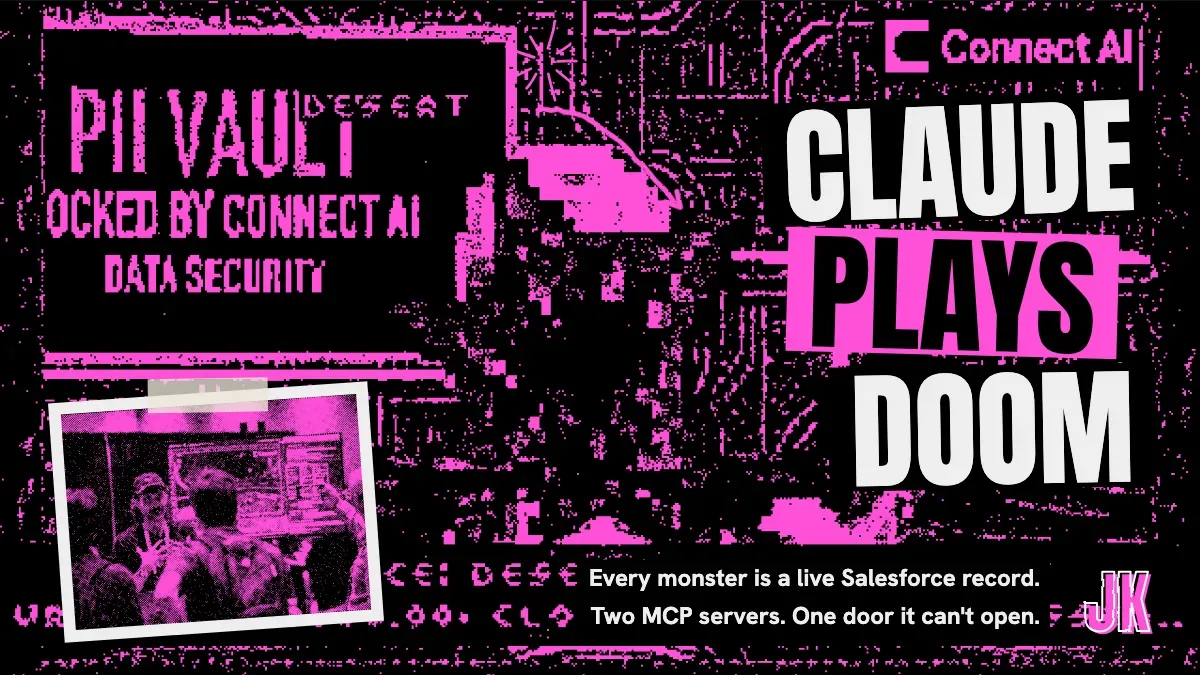
- I Wired Doom to Two MCP Servers and Let Claude Play It
A Doom MCP server lets Claude Code play a level built from live MCP data. See what AI agents did when the MCP server refused a request.
- Can Open Knowledge Format make Claude Code more accurate and cheaper? I tested it
I moved the CLAUDE.md files and memory Claude Code reads into Open Knowledge Format and tested three versions. Restructuring halved startup context.
- Best MCP Servers for ChatGPT, Dots, and Meta Muse
Best MCP servers for ChatGPT, dots, and Meta Muse in 2026, compared by use case, with the criteria business and IT teams use to approve one.
- I put an MCP server inside DOOM
An MCP server inside DOOM: an AI agent pulls live records over MCP and each becomes a monster. The first level built from MCP data, shown at MCPCon 2026.
- First impressions of Claude Code mods
Claude Code mods, new in October 2026, enforce rules that hooks and CLAUDE.md only hope Claude remembers. What I built in two days and what worries me.
- How to Use ChatGPT Dots with Salesforce, Jira, and More
How to use ChatGPT dots with Salesforce, Jira, QuickBooks, and more: connect your business apps in minutes, then ask across them and schedule checks.
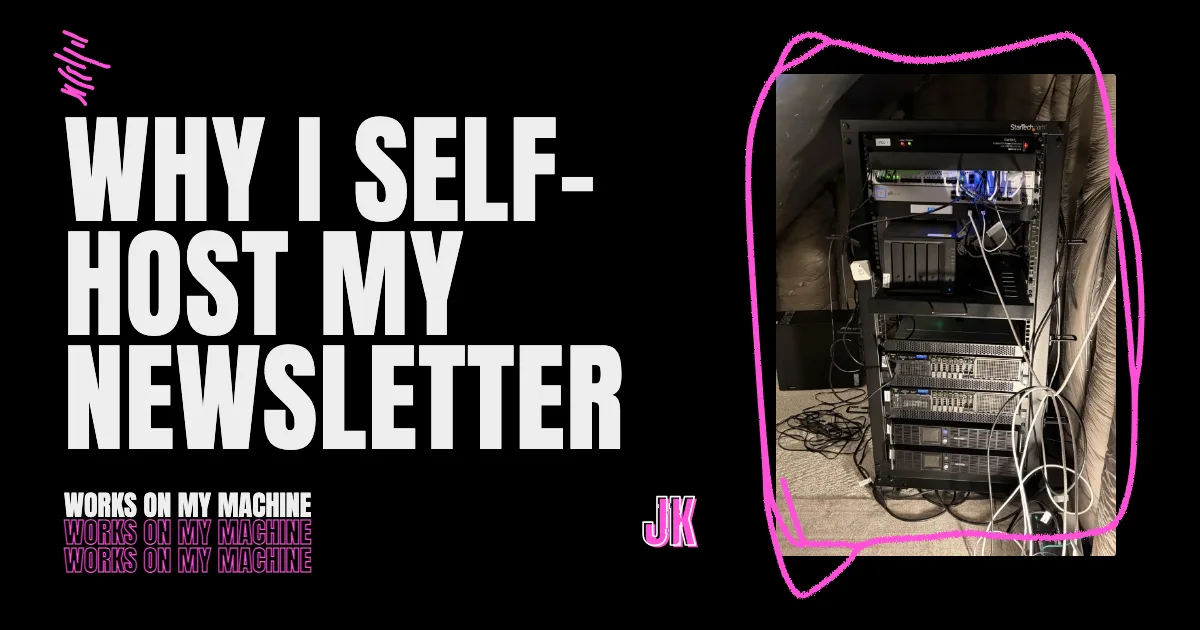
- Why I Self-Host My Newsletter
Why my newsletter runs in my homelab, why I picked listmonk over Ghost, and what I haven't figured out about outgrowing a free email plan.
- Taste Matters More with AI
The newsletter is back after almost three years, it runs in my homelab now, and it's going to be about what I actually think about. First up, taste.
- I hate editing video, so I built a screen recorder that edits for me
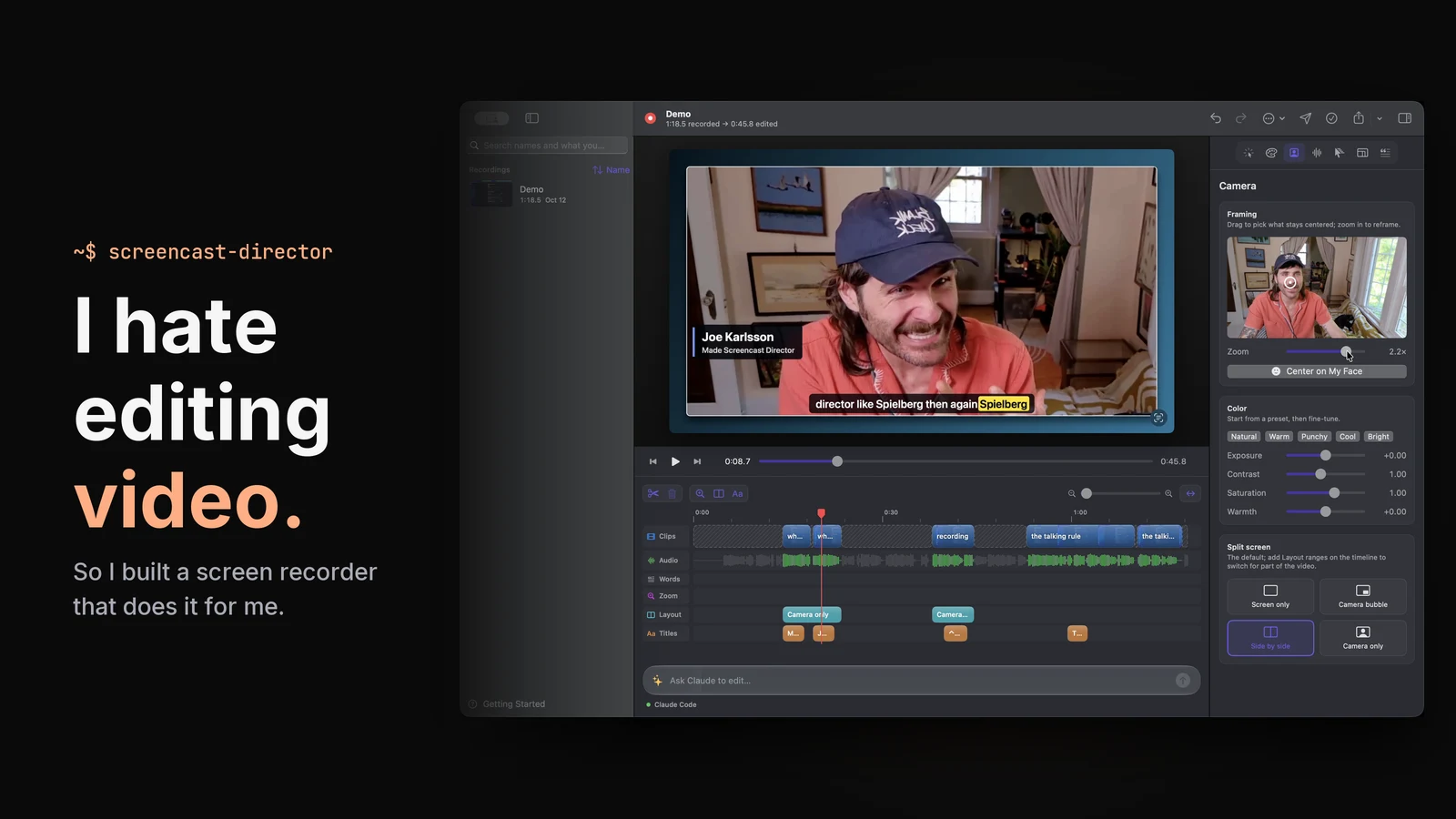
Screencast Director is an open source macOS screen recorder that drafts the edit. It cuts dead air, speeds up typing and takes edits from your AI model.
- I built a 32x32 pixel art frame that shows what my house is doing
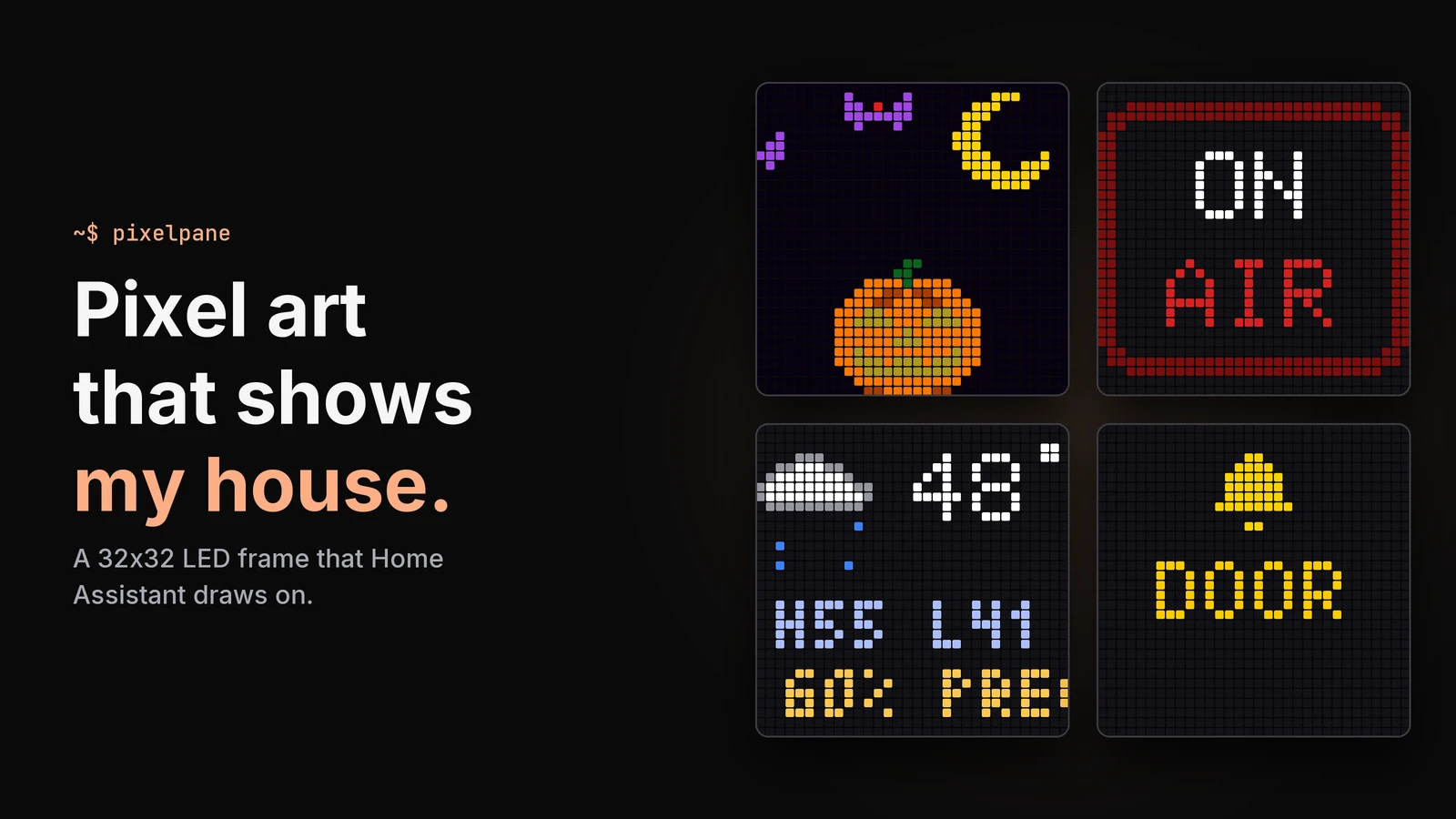
PixelPane is my open source 32x32 LED pixel art frame. Its art changes with the seasons, and Home Assistant turns it into an ON AIR sign and a doorbell alert.
- Breaking up with Claude Code
OpenCode with open models isn't a one-to-one swap for Claude Code. What broke, what fixed it, and which models I use.
- My Development Setup in 2026
My development setup in 2026: Ghostty, plain zsh, Handy voice input, git worktrees for concurrent Claude Code agents, and chezmoi. What I switched and why.
- The Best Home Assistant Automations of 2027 (10 Years In)
The best Home Assistant automations after 10 years and 134 running: start with the basics, layer on context, go advanced, and keep them working.
- Enterprise Data Access for AI Agents: What Model Routing Doesn't Cover
Enterprise data access for AI agents is the part of the AI gateway stack most teams haven't built yet. Here's what it handles and why it matters now.
- AI Gateway for Developers: What Teams Are Building on Live Enterprise Data
Building internal AI agents on enterprise data without a custom permission system. Here's what teams are shipping on CData Connect AI in 2026.
- LiteLLM or CData Connect AI? Choosing the Right Enterprise AI Gateway in 2026
LiteLLM vs enterprise AI gateway, 2026 comparison: MCP governance, data connectivity, and when to use each. For IT admins and AI engineers.
- I Can't Memorize Lines, So I Built a Teleprompter That Listens
FollowSpot is a voice-following browser teleprompter that runs Whisper locally. Why I built it, plus benchmarks of five Whisper models on an M5 Max.
- I Made Adult Swim Bumpers for My Plex Server
I grew up on Toonami and Adult Swim, so I built a little CLI that makes Adult Swim-style bumpers and now every movie on my Plex server opens with one.
- How to Connect Your Business Apps to Meta Muse
Connect enterprise data to Meta Muse with CData Connect AI. Add Salesforce, NetSuite, or HubSpot as a custom connector in about 10 minutes.
- The Official MCP Roadmap: What Enterprise Teams Need to Plan for
The official MCP roadmap (Aug 22, 2026) maps five priorities. Here's what each means if you operate MCP servers, and what the spec still won't fix for you.
- Ship the Ugly Pot
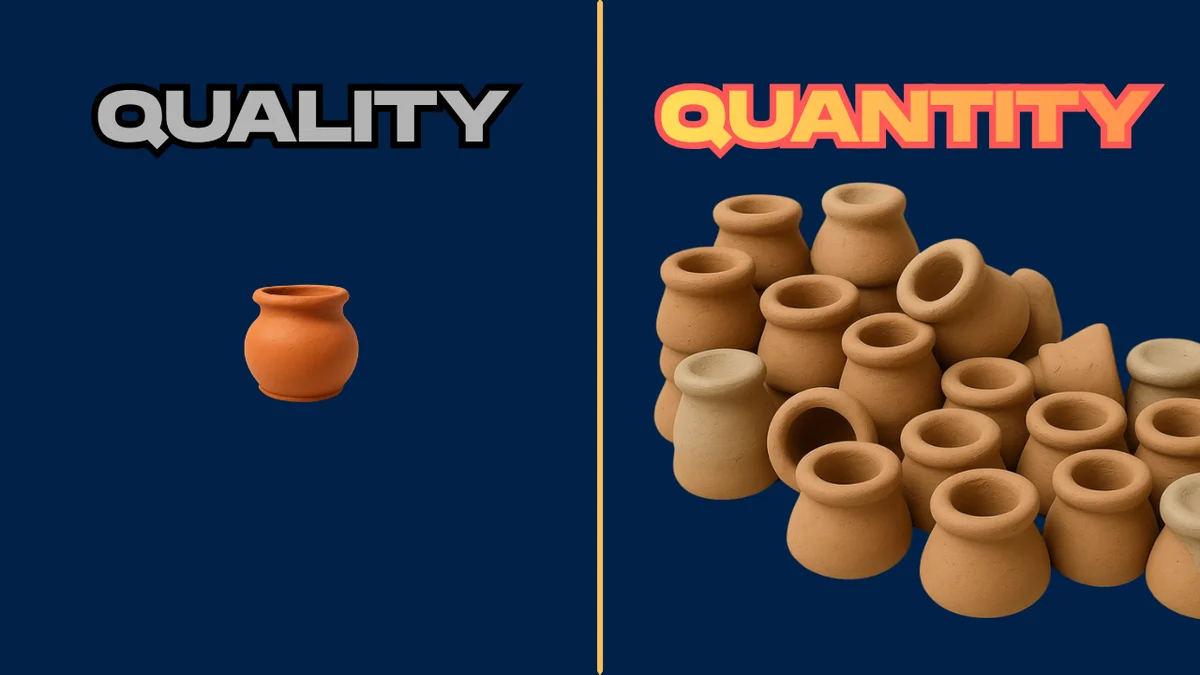
Quantity beats quality as a learning strategy: the Art & Fear pottery story, DORA deploy data, and how to tell a kiln from a gate in your org.
- The Cognitive Case for Play in Technical Work
What research on creativity, flow and psychological safety says about the conditions behind your best iterative technical work, and how to build them.
- What I Learned When I Could Finally Prove My Work Mattered
For most of my last job I couldn't say whether my work mattered. What the data taught me once I had it, and what it did to my influence.
- The 2026-07-28 MCP Release Explained: What It Means for Enterprise Teams
The MCP 2026-07-28 release makes the protocol stateless, adds an extensions framework and hardens authorization. What each change means in production.
- I Finally Stopped Managing My Homelab by Hand (Everything Just Kept Breaking)
How I moved 62 Proxmox containers to OpenTofu with a self-hosted state backend (MinIO, now its fork Silo), and whether immutable infrastructure was worth it.
- Running DevRel in 2027 Means Owning Three Discovery Surfaces
Running DevRel in 2027: developers find you through people, search, and LLMs. What breaks on each surface, how I measure it, and my first 90 days.
- How I Share Two Used GPUs Across Seven Services in My Proxmox Homelab
Proxmox GPU passthrough for LXC: how I share an 8GB Quadro RTX 4000 and a 16GB RTX A4000 across seven services, with local LLM speed and accuracy tests.
- I Built a Fully Local Voice Assistant for Home Assistant (With GPU, No Cloud Required)
How I run a fully local voice assistant for Home Assistant on a GPU with faster-whisper, Piper and Ollama, and what failed on the way there.
- Reversing SEO Traffic Decline From AI Overviews: A Weekly Audit (2026)
How I reversed an SEO traffic decline caused partly by AI Overviews: two failure modes, a weekly Claude Code audit, and real numbers from four weeks.
- My Personal Claude Code Skills Repo Accidentally Became Internal Tooling
I built Claude Code skills to stop copy-pasting the same prompts. Then coworkers started asking about them, and my repo became team infrastructure.
- AWS IAM Identity Center (Formerly AWS SSO): The Complete 2026 Guide
AWS IAM Identity Center replaced AWS SSO in 2022. Learn how to set it up, configure permission sets, use the AWS CLI, and audit access with CloudQuery.
- CWPP vs CNAPP: What Cloud Security Teams Need to Know in 2026
CWPP protects cloud workloads at runtime. CNAPP unifies CWPP, CSPM, and CIEM into one platform. Learn when each makes sense and how they compare.
- What Is Attack Surface Management? A Technical Guide for Cloud Teams
Attack surface management finds exposed cloud assets before attackers do. Learn how ASM differs from CSPM and vulnerability management, with SQL examples.
- What Is Cloud Governance? The Complete Guide for Platform Engineering Teams
Cloud governance is the policies and controls that keep cloud infrastructure secure, compliant and cost-efficient. The 6 pillars and how to implement them.
- AWS Pinpoint Is Being Deprecated: How to Assess Your Migration Scope
AWS Pinpoint reaches end of support October 2026. Query your Pinpoint usage across all accounts to find what needs migrating before the deadline.
- How to get started with Home Assistant in 2027
How I got started with Home Assistant, what changed for 2027 (the Marketplace, Apps, new triggers), what to install it on, and the first automations to try.
- Self-Hosted Music Still Sucks in 2026
The *arr stack perfected video automation, but self-hosted music is stuck on albums. Lidarr makes you grab a whole album when you want one track.
- CloudQuery Sync Performance: A Practical Troubleshooting Guide
Why CloudQuery syncs slow down after a plugin upgrade, how to spot expensive tables, and the CLI command that replaces the tables wildcard with a list.
- Did Gemini Just Make Your Google API Keys a Security Risk?
Google API keys safe to embed publicly now authenticate to Gemini. Here's how to audit your GCP projects with CloudQuery to find the exposure.
- Implementing MikroTik's Binary API Protocol in Python from Scratch
How I implemented MikroTik's RouterOS binary API protocol in Python from scratch, with variable-length encoding and sentence-based messages, in 137 lines.
- Cloud Operations Metrics and ROI for Leadership
Track the five metric categories that prove cloud operations ROI to leadership. Includes a one-page scorecard template with before-and-after targets.
- A 90-Day Roadmap to Cloud Operations Maturity
A week-by-week plan from first inventory sync to automated governance. Three phases, clear milestones, and metrics to prove ROI to leadership.
- What Makes a Cloud Data Layer AI-Ready
AI for cloud operations is only as good as the data behind it. Learn what makes a cloud data layer AI-ready and which use cases it enables first.
- Mapping SOC 2 and CIS Controls to SQL for Continuous Compliance
Map SOC 2 and CIS controls to SQL queries that run daily. Replace quarterly audit scrambles with continuous compliance evidence generation.
- Writing Cloud Security Posture Checks in SQL
Write cloud security checks in SQL instead of proprietary policy languages. See practical queries for public buckets, MFA, encryption, and more.
- Beyond Deploy-Time Checks: Continuous Cloud Governance
Deploy-time policy checks miss console changes, configuration drift, and external changes. Continuous governance catches what CI/CD pipelines cannot.
- Visibility-First Cloud Governance: Why You Should Start with Data
Most governance models fail because they enforce rules about infrastructure they cannot see. The Visibility-First model starts with a queryable foundation.
- Calculating the True Cost of Cloud Operations Toil
Engineering toil from fragmented cloud visibility costs $47K-$90K per engineer yearly. Use our calculator to measure the real cost at your organization.
- Why Cloud Compliance Audit Prep Still Takes Weeks
Most teams spend weeks preparing for audits that should take hours. Learn why compliance scrambles persist and how queryable data eliminates them.
- The Hidden Cost of Cloud Security Alert Investigation
Security teams spend more time correlating information than fixing problems. See how a single alert costs 45 minutes of manual investigation.
- The Cloud Operations Gap in Multi-Cloud Environments
89% of organizations use multiple clouds but only 8% are cloud-mature. Learn what the Cloud Operations Gap is and why it costs teams hours every week.
- Cloud Operations Maturity Model: A Six-Dimension Self-Assessment
Score your cloud operations maturity across six dimensions. Only 8% of orgs qualify as highly cloud-mature - here is where most teams actually fall.
- How to Detect Public Databases Across AWS, Azure, and GCP with CloudQuery Policies
Detect publicly accessible databases across AWS RDS, Azure, and GCP Cloud SQL. Step-by-step CloudQuery Policies tutorial with copy-paste ClickHouse SQL.
- AWS Lambda Python 3.9 End-of-Support: Find and Upgrade Every Affected Function
AWS Lambda Python 3.9 security patches stopped Dec 15, 2025. Find every affected function across all accounts with SQL queries and upgrade to 3.12 or 3.13.
- Building a GPU-Accelerated Subtitle Generator for My Video Library
How I built a GPU-accelerated subtitle generator for my video library with faster-whisper on my homelab, with parallel workers and a hallucination filter.
- Building a Real-Time Digital Graffiti Wall with MongoDB Realm and RGB LEDs
How I built a real-time digital graffiti wall - a shared drawing canvas that shows up live on an RGB LED grid, synced with MongoDB Realm.
- Steampipe vs CloudQuery: Architecture and Trade-offs
Steampipe queries cloud APIs live from the terminal. CloudQuery syncs cloud configuration into a persistent inventory. Here is when to use each.
- One Year Into DORA: What Actually Worked for ICT Asset Registers
One year into DORA, 46% of institutions still struggle with ICT asset registers. What worked, common pitfalls, and prep for stricter 2026 enforcement.
- CodeBreach Vulnerability: How to Detect If Your AWS CodeBuild Projects Are Affected
Check your AWS CodeBuild webhook filters for the CodeBreach vulnerability, with SQL queries that find unanchored ACTOR_ACCOUNT_ID patterns.
- AWS + Google Cloud Networking Partnership: Connectivity Solved, Visibility Still Broken
AWS and Google Cloud partnered on multicloud networking, with connections in minutes. The pipes were the easy part. Unified visibility is still broken.
- Audit CODEOWNERS Against Okta to Find Orphaned Code Ownership with SQL
Find CODEOWNERS entries for employees who left the company by joining Git file content with your identity provider data. No scripts, just SQL.
- Find Commits by Departed Employees Across All Repos with SQL
Find code changes by employees who left your organization by matching git commit authors against your identity provider with SQL.
- Find Every repo Missing a LICENSE File with One SQL Query
Find every repository missing a LICENSE file across your organization with one SQL query over your git file data. No cloning, no scripts to maintain.
- Find EOL Docker Images, Missing Licenses, and Stale CODEOWNERS Across Thousands of repos with SQL
Query Dockerfiles, CODEOWNERS and package.json across all your repos with SQL to find EOL Docker images, missing licenses and stale CODEOWNERS, no cloning.
- Query Your Dockerfiles with SQL: Find EOL Node 18 Images Across All repos
Node 18 reached end-of-life. Find every Dockerfile using Node 18 base images across your organization with a single SQL query - no cloning repos required.
- Track React Dependencies Across Your Organization with SQL
Find every package.json using React across all repositories. Query dependency versions, track upgrades, identify outdated packages - all with SQL.
- How Unicorne Increased Well-Architected Review Capacity by 60% with CloudQuery
How Unicorne used CloudQuery to automate AWS Well-Architected Reviews and build its FinOps product Stable, cutting engagements from 50 to 20 hours.
- AWS Lambda Node.js 20 End of Life: Upgrade to Node.js 22 Before April 2026
AWS Lambda Node.js 20 hits end of life April 30, 2026. How to find every affected function across accounts, fix breaking changes and upgrade to Node.js 22.
- 6 Cloud CMDB Best Practices for Platform Engineers (2026 Guide)
Cloud CMDB best practices for multi-account environments - automated discovery, tiered sync, SQL queries, and historical retention for compliance.
- Building a Claude Code Blog Skill: What I Learned Systematizing Content Creation
Building a Claude Code blog skill - how I turned my own blog workflow, from banned words to Vale linting and PRs, into a skill our marketing team can run.
- The Death of Agent-Based CMDB Discovery
Agent-based CMDB discovery breaks down with containers, serverless and managed services. API-driven discovery costs 90% less and works everywhere.
- The Real-Time Cloud CMDB - Why Ephemeral Infrastructure Killed Traditional Discovery
Traditional CMDBs miss ephemeral resources because containers live minutes. How cloud CMDBs use tiered sync, from 15 minutes to daily, and what it costs.
- Cloud CMDB vs Traditional CMDB: A 2026 Comparison
Cloud CMDB vs traditional CMDB in 2026 - Gartner says 70-80% of traditional CMDB projects fail. How agent-based scans compare to API-based discovery.
- Five Tips for Getting Maximum Value from a Cloud Asset Inventory
Five ways to get more value from a cloud asset inventory: tie it to business outcomes, involve stakeholders, start with high-impact use cases.
- How to Design a Cloud Asset Inventory for AWS
Five design principles for a cloud asset inventory on AWS: freshness, completeness, normalization, queryability and extensibility, plus maturity stages.
- Introduction to CloudQuery for AWS
An introduction to CloudQuery for AWS. How it syncs your AWS resources into unified SQL tables you can use for security monitoring, cost and compliance.
- Why and When Do You Need a Cloud Asset Inventory?
Why and when you need a cloud asset inventory for AWS, and how it helps with security governance, cost optimization and day-to-day operations.
- Building Secure AI-Powered Cloud Security: From Data Pipeline to Risk Detection
Learn how AI-powered cloud security reduces investigation time by 55% across AWS, GCP, Azure with our open-source demo.
- CloudQuery Performance Benchmark Analysis: 581 GB/Hour Throughput and the Reality of Cloud API Constraints
CloudQuery performance benchmark - 581 GB/hour on consumer hardware with local data, and how cloud provider API rate limits change the real numbers.
- Introducing CloudQuery Insights: Cloud Intelligence That Connects the Dots
CloudQuery Insights monitors your complete asset inventory and surfaces interconnected signals across security, cost, policy, and audit data automatically.
- Production AI Data Pipeline Architectures
AI data pipeline architectures with CloudQuery, moving data from 50+ sources into vector databases and training pipelines on your own infrastructure.
- We benchmarked our ETL tool and synced 1 million rows in 2 seconds on a MacBook
We benchmarked our ETL tool and synced 1 million rows in 2 seconds on a MacBook, 68% faster than enterprise platforms. Methodology and code included.
- What is an AWS Cloud Asset Inventory?
What is AWS Cloud Asset Inventory? Learn why it's essential for security and cost optimization, and compare AWS Config, Systems Manager, and CloudQuery.
- How We Made Our IDEs Data-Aware with a Go MCP Server
How we built a Go-based MCP server to make AI Assistants data-aware, bridging code and database, which ended up transforming the way we code.
- We Built an MCP Server and These Are the Gotchas Nobody Talks About
What we learned building an MCP server for cloud infrastructure data, from tool descriptions and naming to context limits, and how we fixed each problem.
- AI for Analyzing Your Cloud Asset Inventory
CloudQuery's MCP server lets AI agents query your cloud asset inventory in plain English, with dashboards and reports built from AWS, GCP and Azure data.
- I Replaced Alexa with a Dumber Voice Assistant (But at Least It’s Private)
After five years of Home Assistant automations, I replaced Amazon Alexa with Home Assistant Voice Preview Edition for privacy. Here's where it falls short.
- How to Make Your Internal Developer Portal Actually Useful
An internal developer portal is only as useful as its asset inventory. Backstage case studies from Spotify, Toyota and finance teams, with ROI numbers.
- Cloud Centers of Excellence (Part 1): Building Effective Cloud Governance Through Strategic Organization
How to build a Cloud Center of Excellence (CCOE) for cloud governance - structure, roles and strategy, in part 1 of a 5-part implementation series.
- Cloud Centers of Excellence (Part 2): Governance, Security, and Compliance in CCOEs
Who owns cloud policy? How real Cloud Centers of Excellence handle governance, enforce security without slowing teams down, and keep regulators happy.
- Cloud Centers of Excellence (Part 3): FinOps, Cost Management, and Real-World Case Studies
How mature Cloud Centers of Excellence use FinOps to track cloud costs, cut waste by up to 40% and share accountability, with case studies from banks.
- Cloud Centers of Excellence (Part 4): Implementation Best Practices and Common Pitfalls
Cloud Center of Excellence implementation, part 4 - what to build first, what to skip, the ivory tower trap and keeping your CoE alive past year one.
- Cloud Centers of Excellence (Part 5): The Future of CCOEs and Getting Started
Cloud Centers of Excellence aren't going away, they're changing. Part 5 covers where CCOEs are headed, what to build next and how to get started.
- Why (and How) We Built Our Own Full Text Search Engine with ClickHouse
How we built a full-text search for CloudQuery using ClickHouse, achieving 10x faster queries without dedicated search engines.
- How We Accidentally Invented a Cloud Search Language
How we turned our search bar into a domain-specific language using Peggy instead of regex, solving complex parsing challenges for cloud resource queries.
- How We Handle Billion-Row ClickHouse Inserts With UUID Range Bucketing
How we stopped ClickHouse memory blowups on billion-row inserts of cloud config data with an Insert-Splitter that buckets rows by UUID range.
- Integrate AbuseIPDB Threat Intelligence with CloudQuery
Check your cloud public IPs against AbuseIPDB abuse scores using CloudQuery inventory data and SQL joins. Includes working query examples.
- Kubernetes Asset Tracking: Why 70% of Enterprises are Struggling (And How to Fix It)
Track Kubernetes assets across clouds with a central configuration store, using CloudQuery to query them with SQL for security and compliance.
- How to Query ipinfo.io Data with CloudQuery
Enrich your CloudQuery cloud asset inventory with ipinfo.io geolocation, ASN, and privacy detection data using SQL joins. Includes working query examples.
- Visualize & Govern Your Cloud Stack with CloudQuery Reports
CloudQuery Reports delivers actionable insights for multi-cloud security, compliance, and cost optimization with ready-to-use dashboards and SQL queries.
- Six Months with ClickHouse at CloudQuery: The Good, The Bad, and the Unexpected
What six months of ClickHouse as CloudQuery's default backend taught us about performance, JOIN limits, sorting keys, materialized views and benchmarking.
- What We Learned Querying Cloud Infra for Expired Dependencies
Learn how to easily track and fix end-of-life cloud services across AWS, Azure, and GCP with CloudQuery new End-of-Life (EOL) integration.
- The Best Way to Keep Your Cloud Inventory Up to Date
How to keep your cloud inventory up to date across AWS, GCP, Azure and Kubernetes with CloudQuery pipelines that sync and normalize the data.
- Building an AWS Cloud Asset Inventory
How to build an AWS cloud asset inventory with CloudQuery, PostgreSQL and Grafana, using dbt to shape the data for security and compliance views.
- Stop Wasting Time on Cloud UIs and Scripts, and Query Your Cloud Like a Database
CloudQuery SQL Console lets you query your cloud like a database. Skip the endless dashboards and brittle scripts and get answers with SQL.
- How to Eliminate Blind Spots in Your Cloud Environment
Stop guessing what in your multi-cloud environment. Use CloudQuery asset inventory to see everything, secure everything, and save money doing it.
- AI, Without Exposing Your Data
Learn how to build AI-powered applications while keeping your sensitive data secure and private on your own infrastructure.
- How to Build a Cloud Asset Inventory for Azure
Build an Azure cloud asset inventory with CloudQuery and PostgreSQL. Covers setup, dbt transformations, and visualizing assets for security and compliance.
- Getting Started with Cloud Asset Inventory
How to build and maintain a cloud asset inventory: set the scope, pick tools, automate collection, audit regularly, and track new cloud services.
- What is SOC2 Compliance?
SOC2 compliance is the AICPA audit standard for how a company protects customer data across security, availability, integrity, confidentiality and privacy.
- Tempus: Multi-Cloud Asset Inventory Across 80+ AWS Accounts and 1000+ GCP Projects
How Tempus runs nightly CloudQuery syncs across 80+ AWS accounts and 1000+ GCP projects, built on GCP with Terraform, GKE, Cloud SQL and Grafana.
- Building a Multi-Cloud Asset Inventory for Google Cloud Platform (GCP) and AWS with CloudQuery
Build a multi-cloud asset inventory for AWS and GCP with CloudQuery. Sync both clouds into PostgreSQL and query every cloud asset with SQL.
- How to Build a Multi-Cloud Asset Inventory
A step-by-step guide to a multi-cloud asset inventory for AWS, GCP and Azure: collect, transform and store cloud data for security, compliance and cost.
- Step-by-Step Guide to Building a Cloud Asset Inventory for GCP
How to build a GCP cloud asset inventory with CloudQuery, PostgreSQL and dbt - setup, dbt models to transform the data, and querying your resources.
- Data Warehouses Are Terrible Application Backends
Data warehouses can't handle the freshness, latency and concurrency user-facing apps need. Why real-time data platforms make better application backends.
- How to Build Applications over Streaming Data the Right Way
In modern data ecosystems, streaming data flows like traffic on a busy highway. Each packet of data has a specific destination,...
- The Engineer’s Guide to Enriching Streams and Dimensions
How to enrich real-time Kafka streams with Snowflake dimension tables, with use cases for fraud detection, e-commerce personalization and log analytics.
- Why ClickHouse Should Be Your Next Database
“Today, we’re jumping into databases. Another database to learn? But before you sprint for the hills, allow me to introduce you to ClickHouse.”
- A step-by-step guide to build a real-time dashboard
A step-by-step guide to build a real-time dashboard with Tinybird, Tremor and Next.js, from a mock data stream to SQL metrics published as APIs.
- How to build a real-time fraud detection system
How to build a real-time fraud detection system: ingest transaction streams, flag fraud with SQL, and publish the results as APIs with Tinybird and Retool.
- Modern data management with real-time Change Data Capture
Real-time Change Data Capture (CDC) tracks database changes as they happen and sends them downstream. Why it matters for event-driven data architectures.
- Real-time Databases: What developers need to know
What developers need to know about real-time databases, with pros and cons of MongoDB, PostgreSQL, ClickHouse, Tinybird, Snowflake, Pinot and Druid.
- Using Bloom filter indexes for real-time text search in ClickHouse
How Bloom filter indexes speed up real-time text search in ClickHouse, covering tokenization vs n-grams, ngrambf_v1 settings and benchmark results.
- What it takes to build a real-time recommendation system
What goes into a real-time recommendation system: content-based and collaborative filtering, data storage, and starting with SQL before reaching for ML.
- Event sourcing with Kafka: A practical example
Event sourcing with Kafka through a banking example: calculate each customer's balance from account events with Kafka topics and Tinybird snapshots.
- How to query Google Sheets with SQL in real time
How to query even large Google Sheets with SQL in real time using Tinybird, then publish the metrics as secure APIs. The demo code is on GitHub.
- Adding Custom Domain Names on Your Internal Network Using Nginx Proxy Manager and Pi-Hole
How I set up custom domain names on my internal network with Pi-Hole for DNS and Nginx Proxy Manager, plus what works for SSL on local-only domains.
- How to get started building a Homelab server in 2027
A beginner's homelab setup: pick a used office PC or mini PC, install Proxmox for free, and run your first four services, with 2027 prices and power costs.
- I turned a used postcard rack into a 3D-printed planter tower
I bought a wire postcard rack secondhand and designed 3D-printed pots that hang in its pockets and drain into each other. Here it is three-plus years later.
- Databases and DevOps: How to Use SingleStore With GitHub Actions
How to bring databases into DevOps: schema in source control, production-like testing, monitoring, and a demo running SingleStore in GitHub Actions.
- How to Use SingleStore as a Key-Value Store
How to use SingleStore as a key-value store with plain SQL, so you get fast key-value lookups without running a separate database just for that.
- Four Questions You Need To Ask When Choosing a Database
Four questions to ask when choosing a database: does it solve your problem, does it fit your tech stack, is it easy to learn, and what will it cost?
- Database Sharding vs. Partitioning: What’s the Difference?
The difference between database sharding and partitioning, when to use each, and when to combine them for data-intensive applications.
- How to Add Machine Learning Predictions with SingleStore and MindsDB
Have you ever needed to set a machine learning model on your data before?
- How to Get Started with SingleStore
Are you looking for the fastest possible way to get a new SingleStore Cluster up and running while testing out sample datasets to experiment with and use?
- How to Use SingleStore and Node.js
Do you need to get a basic SingleStore application setup quickly using Node.js?
- How to Manage MongoDB Data at Scale
How to manage MongoDB data at scale with Atlas Online Archive, moving aging data like IoT readings to cheaper storage while you can still query it.
- How to Query from Multiple MongoDB Databases
How to query from multiple MongoDB databases, clusters and even AWS S3 buckets at once using federated queries on MongoDB Atlas Data Lake.
- How to Seed a MongoDB Database with Fake Data
How to seed a MongoDB database with fake data using a Node.js seed script and faker.js, for demos, lookup values and proofs of concept.
- How to Use Custom Archival Rules and Partitioning on MongoDB Atlas Online Archive
How to set up custom archival rules on MongoDB Atlas Online Archive and partition your archived data to speed up queries against it.
- How to use MongoDB Client-Side Field Level Encryption (CSFLE) with Node.js
How to use MongoDB Client-Side Field Level Encryption (CSFLE) with Node.js to encrypt sensitive fields like credit card and social security numbers.
- MongoDB Aggregation Pipeline Queries vs SQL Queries
MongoDB aggregation pipeline queries vs SQL queries, side by side. I came to MongoDB from SQL, so I map pipeline stages to SQL clauses you already know.
- How To Use The MongoDB Visual Studio Code Plugin
How to use the MongoDB Visual Studio Code plugin to connect to Atlas, browse your collections and prototype queries in Playgrounds inside your editor.
- Linked Lists and MongoDB: A Gentle Introduction
New to data structures? Learn how linked lists work, how they differ from arrays and when to use one, with a MongoDB twist in Node.js.
- How to Pass A Coding Interview
Developers ask me how to pass a coding interview more than anything else, so I wrote down what I think it takes to walk in well prepared.
- My Top 50 All-Time Favorite Records
My top 50 all-time favorite records, the ones I play most or that hit me hardest, from Loveless to Kind of Blue. I redo the list every couple of years.
- How to Build A Spotify Player with React in 15 Minutes
Build a Spotify player in React in 15 minutes. Register an app, authenticate a user, and show the track they're playing with the Spotify Web API.
- The Tech Talks That Have Had The Biggest Impact On My Career
The tech talks that changed how I think about programming, most of them language-agnostic, starting with The Myth of the Genius Programmer.
- An Engineers Guide to Knowing if You Are Done With a Project
An engineer's checklist for knowing when a project is done - the list I give my team, from working code and tests to QA, accessibility and performance.
- So, You Want To Learn How To Code? Here’s What You Need To Know.
Want to learn how to code? These are my favorite programming books, talks, podcasts, newsletters and websites, plus general tips for getting started.
- I Ran My First Hackathon, and So Can You!
Lessons I learned planning and running my first hackathon, the Stupid Shit and Terrible Ideas Hackathon in Honolulu, and how you can run one too.
- Complete Guide To Node Client-Server Communication
Node client-server communication based on Ilya Grigorik's High-Performance Browser Networking, with examples of XHR, SSE, WebSockets and HTTP/2.
- Bechdel Test Script Parser - How It Works
How the Bechdel Test Script Parser works - the digital humanities tool my sister Laurel and I built to check whether film scripts pass the Bechdel Test.
- How to pixelate images with HTML5 and JavaScript
How to pixelate images with HTML5 canvas and JavaScript, step by step through the code I wrote for Pixelate.js, a spin-off of my Instagram mosaic app.