Love and Cameras in America (2009)
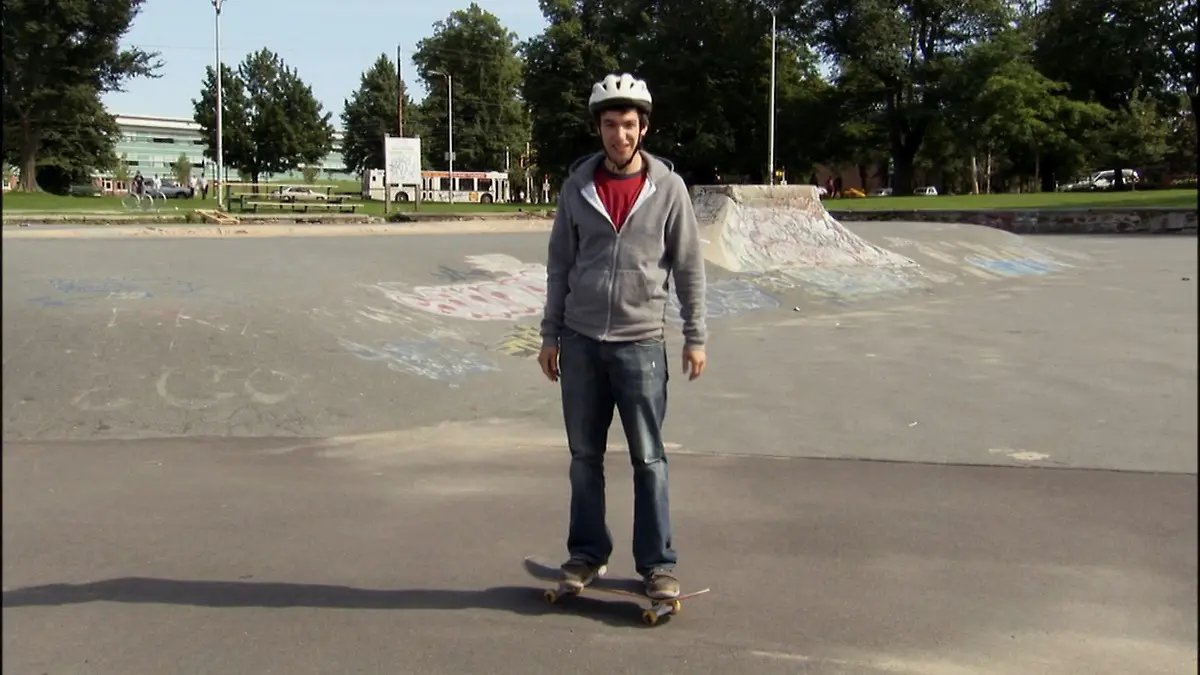
A couple of people in this documentary have spent 17 years thanking God it never got a release.
Nobody would distribute it, so it sat on a shelf until WildBrain put the whole thing up on YouTube this fall. I’m a turbo Nathan Fielder fan, and it was so wonderful seeing his blueprint for You Can See Everything.
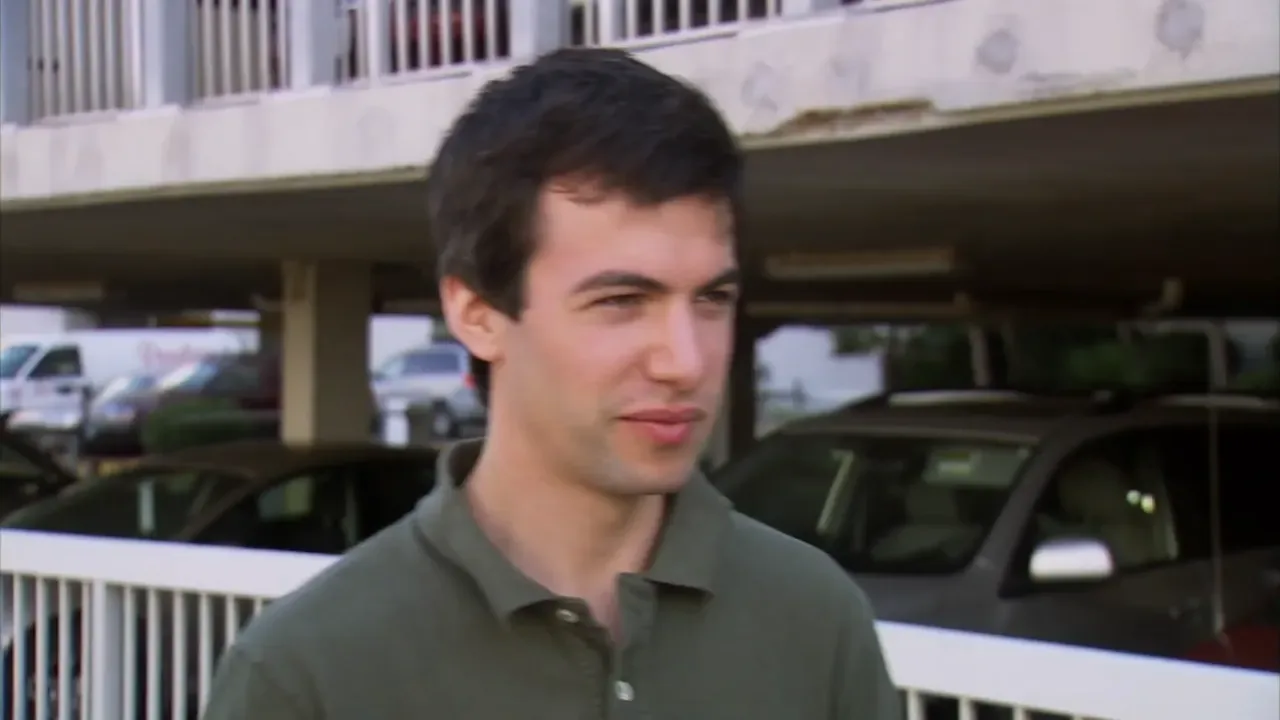 Love and Cameras in America · 2008
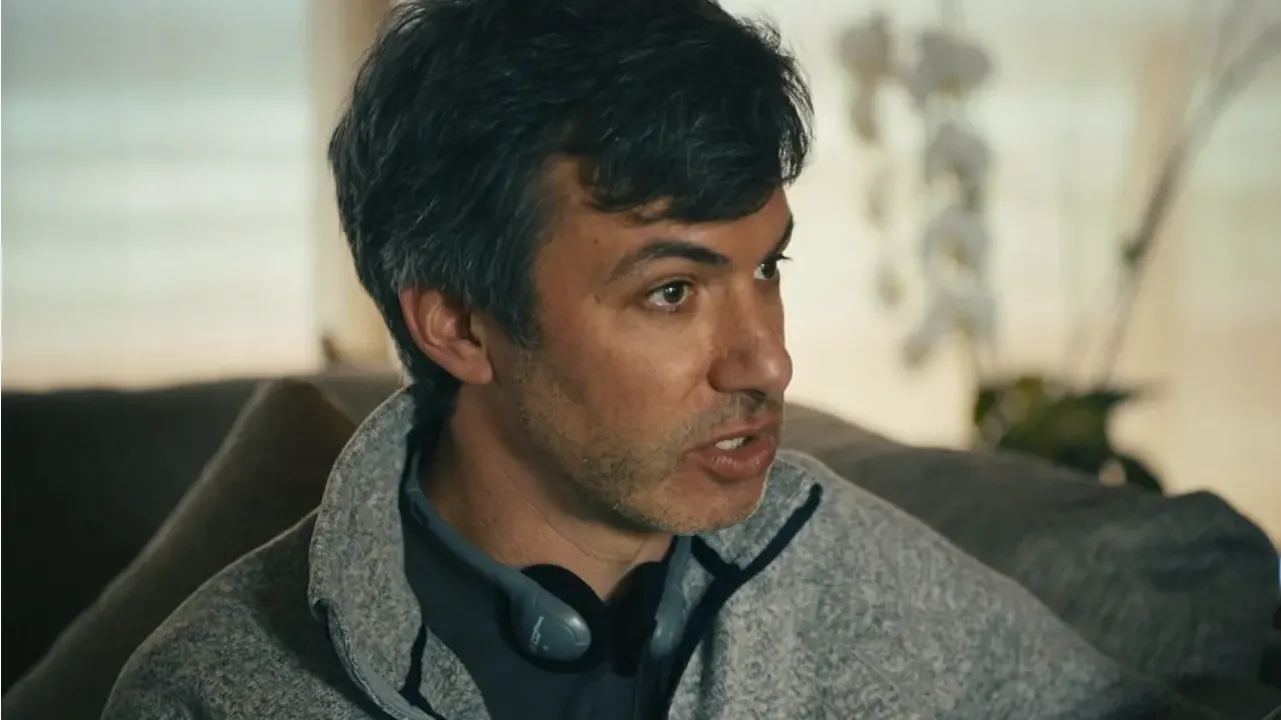 You Can See Everything
It was also a throwback. In 2008 I was a college freshman, it was the first election I was old enough to vote in, and I sank deep into both candidates. So it’s funny to watch a Canadian wander around D.C. and Virginia completely failing to understand American cultural politics.
Nathan’s subject has always been how people behave with a camera pointed at them, and it starts here. He sets out to make a serious documentary about the election, gets more uneasy with every street interview, gives up on politics, and ends up thinking he’s falling in love with a beautiful aspiring actor named Ashley.
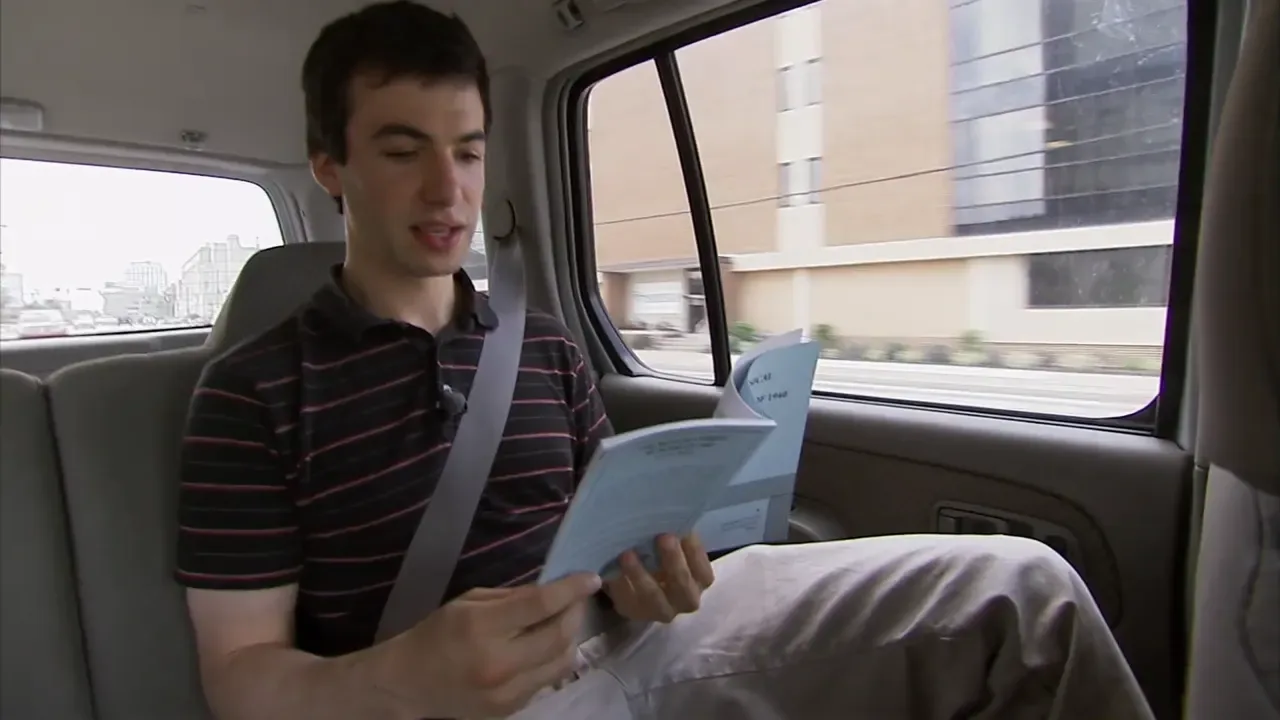
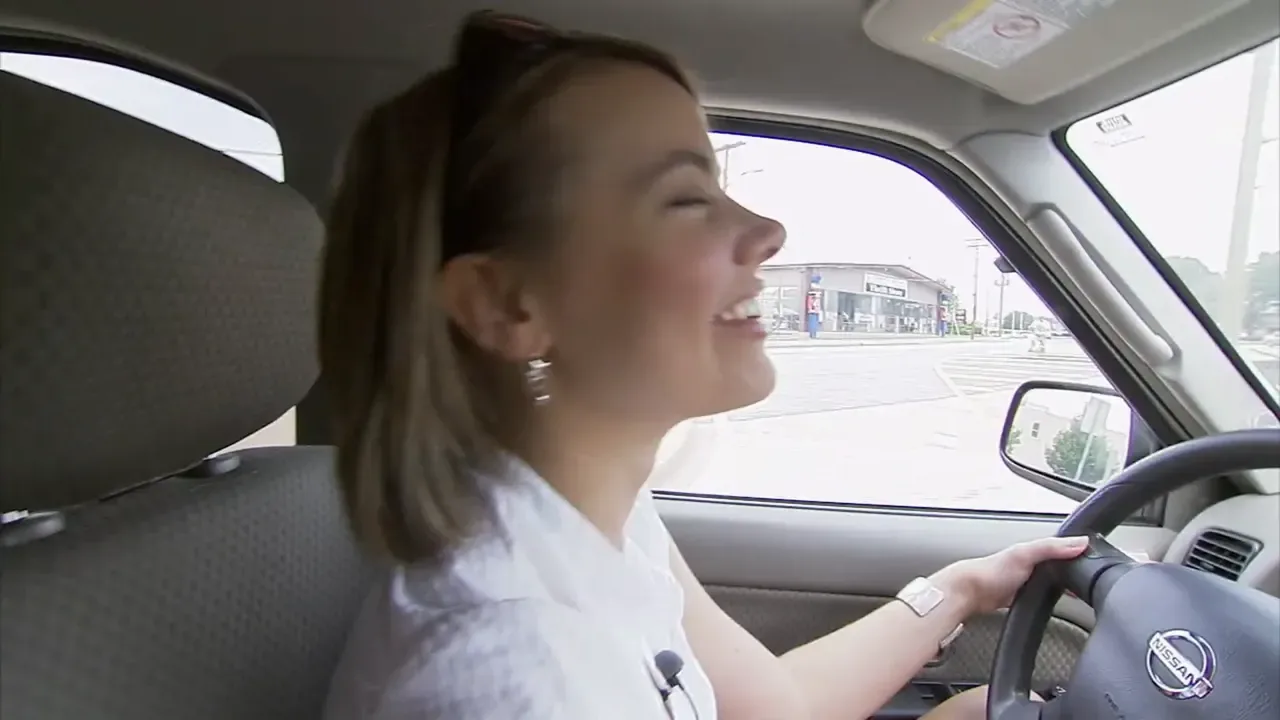
It’s much more meandering than You Can See Everything, and it has a lot less to say about how we present ourselves on camera.
Nathan for You took the idea in one direction: how far he can push people into doing uncomfortable things because a camera is in front of them. It also had the advantage of being shot in Los Angeles, a town full of people who will literally do anything on camera.
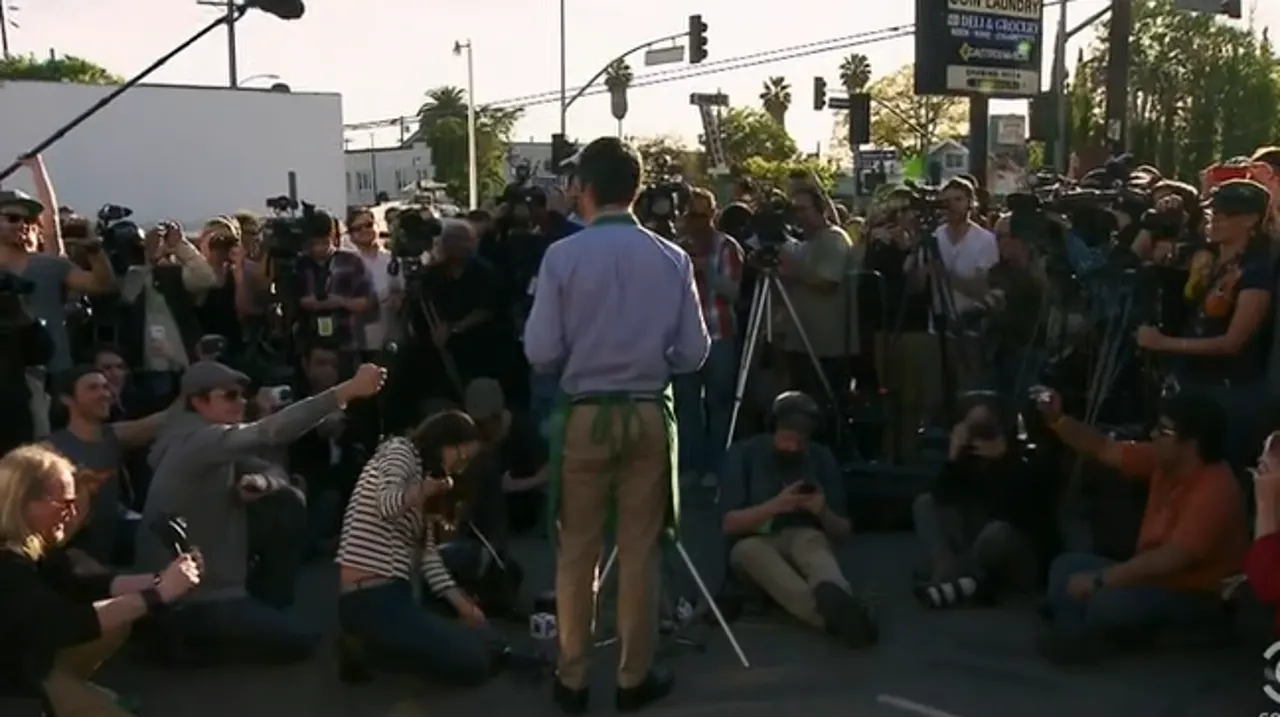
You Can See Everything made it a back and forth. Nathan tests what he can get Elizabeth Holmes and Billy Evans to do, and they work on him right back, steering how they end up portrayed.
Love and Cameras is somewhere in between, in a more immature form. The people he stops in D.C. in 2008 are warier and savvier, and a lot less interested in the fame a documentary crew can bring.
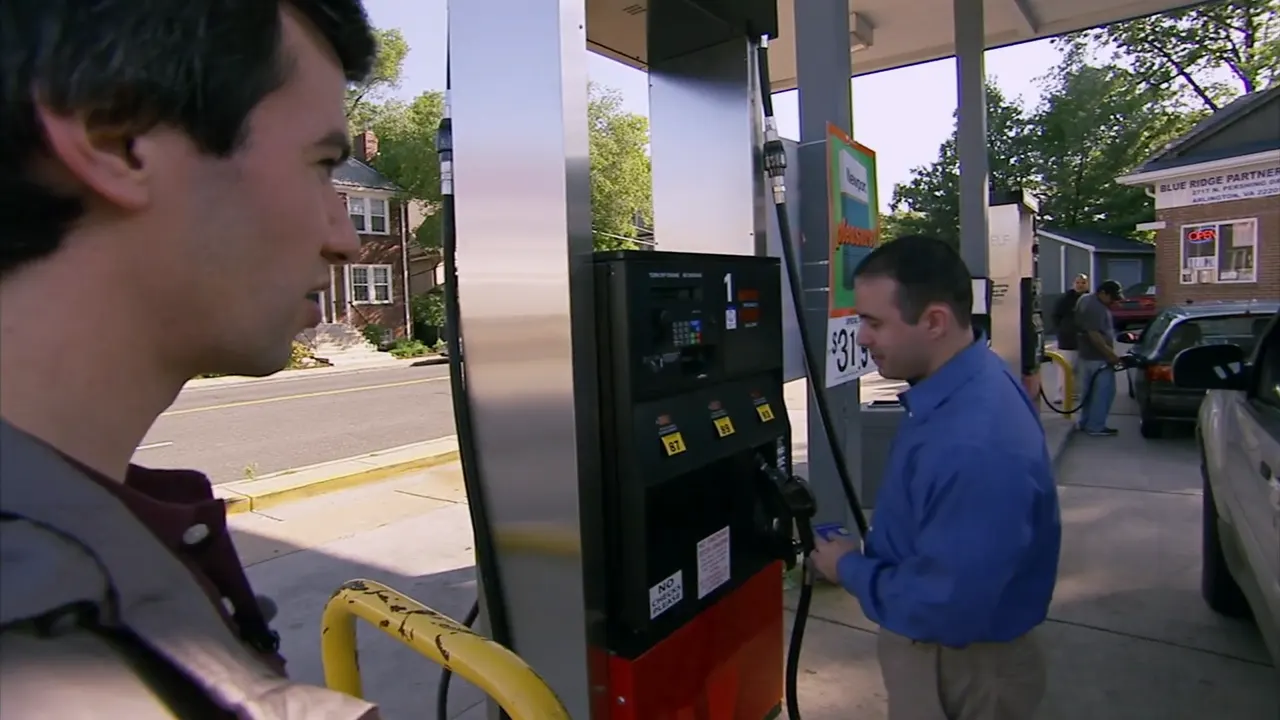
He still finds the ones who want it: an Austin Powers impersonator who barges into an interview outside the White House, a former lobbyist who now sings political satire, and, mostly, Ashley.
Even in skeptical 2008 D.C., these people are everywhere.
When Ashley mentions that her pearl necklace was a Christmas gift from her longtime boyfriend, Nathan gets out of the car and ends shooting for the day. He sees her once more and says she was “more acting like Ashley rather than just being herself.”
Nathan, over the last footage of Ashley.
A year later he still couldn’t say whether she liked him or liked being filmed: “Maybe it’s romantic, and maybe it’s not.” You Can See Everything spends three hours asking the same thing about Elizabeth Holmes.
It’s a fun snapshot of America right as millennials were coming of age, and of a fun time in my life. After Democrats swept the 2026 midterms, I’m starting to feel that hope again, and this was a nice reminder of the last time I felt true hope in an American election.
- Early Nathan is somehow even more nervous and awkward than the Nathan we got later.
Works on My Machine
If you read this far for a movie review, you might like the rest of what I write: homelab builds, AI tools and open source, by email when I have something to say.
It’s free, and you can unsubscribe anytime. You’ll get an email to confirm first.
If you liked this review, consider sharing it on Hacker News, Bluesky, LinkedIn, or X.
Joe
Karlsson
Technology is better when it's weird and it's yours. Everything I write about runs in my house.
More about me →