Three Colours: Blue (1993)
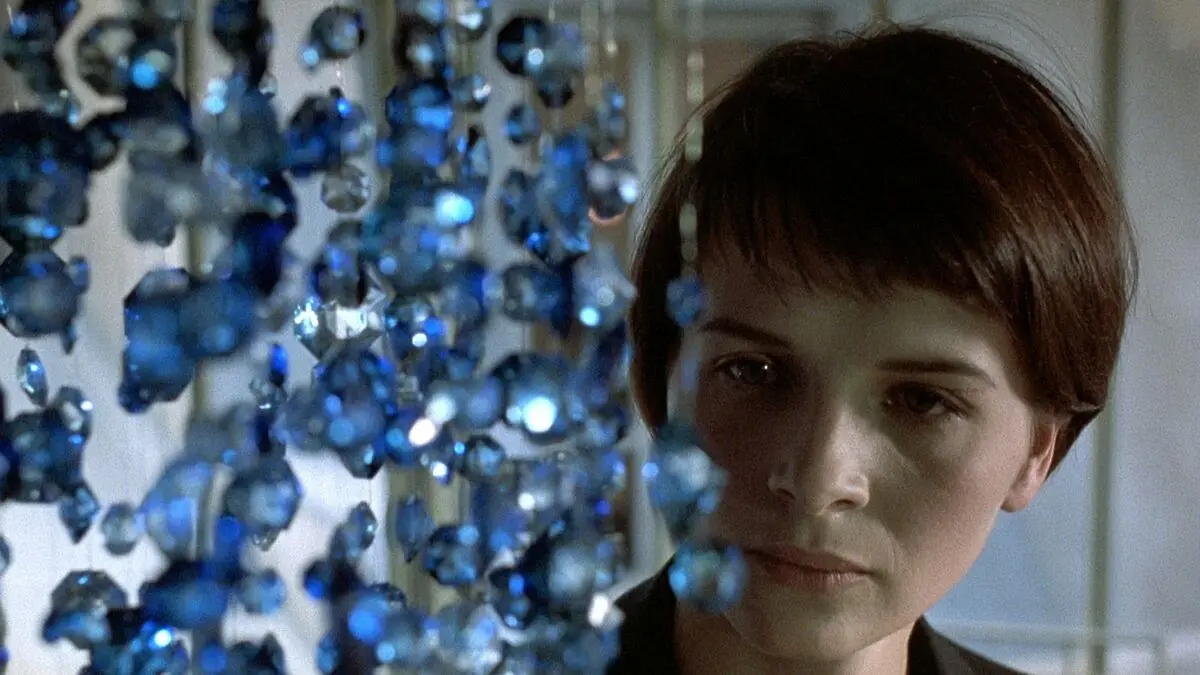
I bet Juliette Binoche would give absolutely anything for the memory eraser from Eternal Sunshine of the Spotless Mind.
Her character, Julie, is trying desperately to forget everything so she can move on, and failing horribly. I have no idea how you’d write a screenplay like this, because almost nothing important in Blue gets said out loud. It was my first Krzysztof Kieślowski, and most of it happens underwater: in Binoche’s face, in the frame, in the cuts.
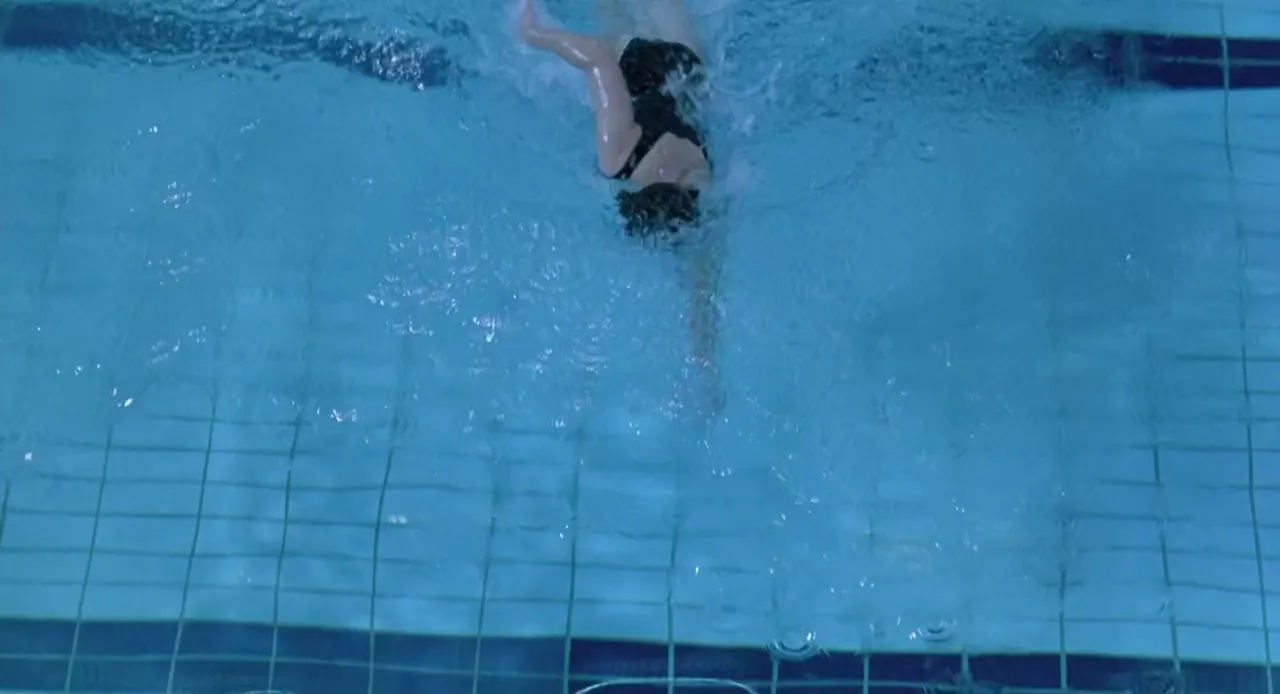
It’s an audiovisual masterpiece on nearly every level.
Music is how her memory gets in. The film hints that she was the ghost composer behind most of her dead husband’s work, so every stray phrase of it is a door back to the husband and daughter she lost.
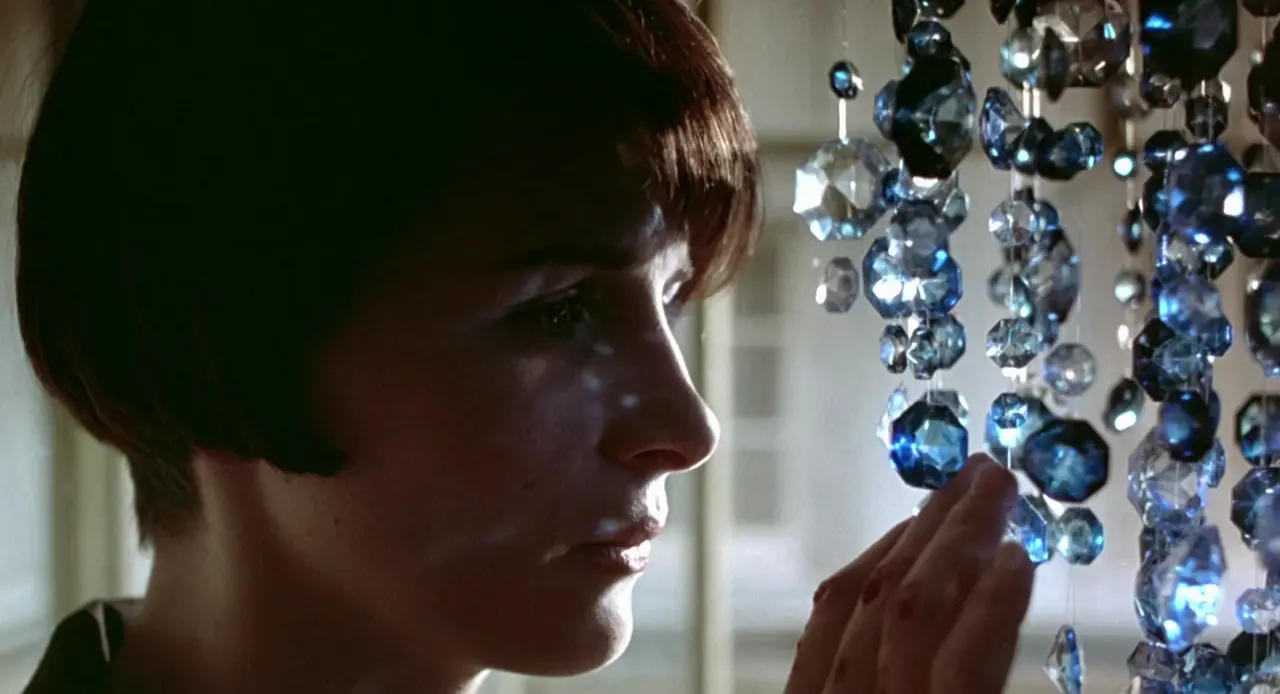
When one reaches her, blue light floods the screen, the score swells, and she slams the door.
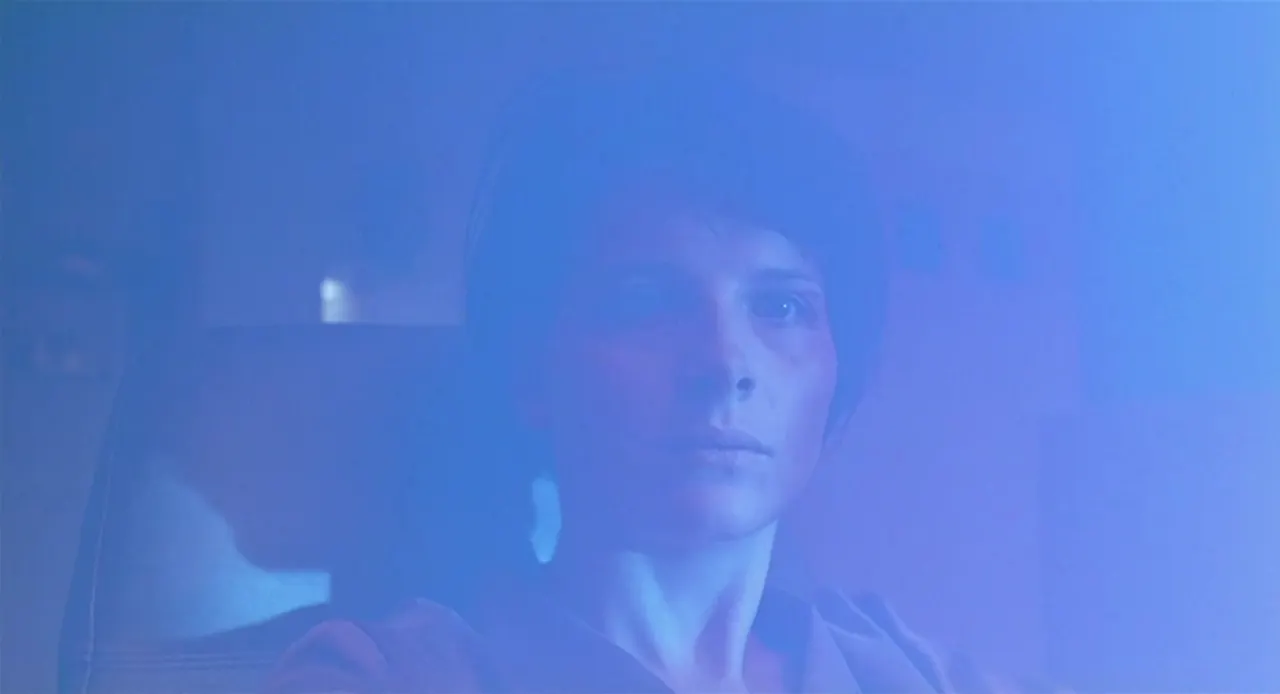
You watch the grief pool up on her face anyway. Kieślowski won’t play the whole piece until she can stand to hear it.
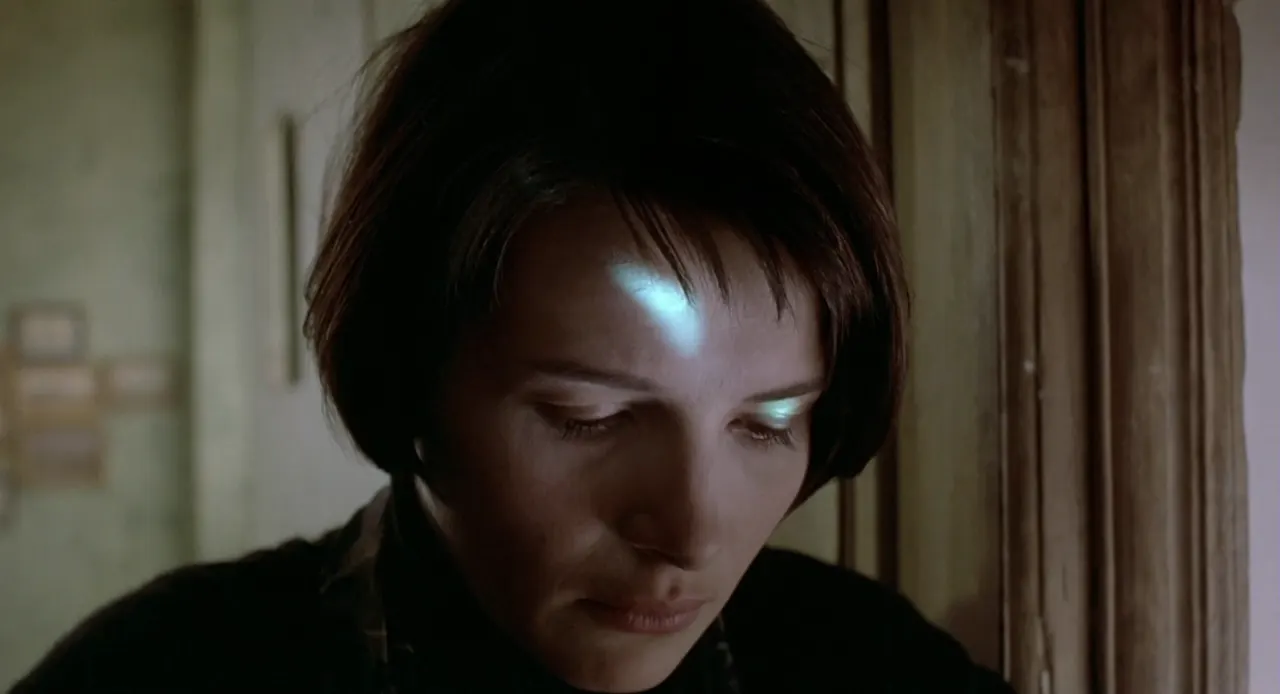
The editing does the same thing to time. The screen fades to black in the middle of a conversation and comes back like nothing happened.
One moment she’s in her house, the next all her belongings are gone, then she’s in a new apartment, then she’s in a swimming pool, then we’re back. I lost track of how much time had passed, and that felt right, because in the sad, depressed stretches of my own life, time slips away exactly like that. Kieślowski said that for Julie, time passes and stands still at once, and that’s the blueness of it. The film books it and never slogs, and it still feels meditative and contemplative instead of slow.
None of it is loose. Kieślowski had a sugar cube tested until he found one that soaked up Julie’s coffee in about five seconds.
He timed a sugar cube.
I watched Three Colours: Red right after and loved it too. It’s surprisingly different from Blue, but Kieślowski is playing with the same things in both: synchronicity, coincidence, people coming up with similar ideas at similar times, bumping into each other’s lives and then coming back around again. Blue is the “liberty” film of the trilogy, and I don’t fully get what he’s doing with that yet. It seems like liberty is a launching point for his bigger interests: Jungian psychology, European society, and the terrible chance moments in life that make you question whether people are good.
He still comes across as a humanist to me. He trusts people and thinks they’re good underneath, he knows life is hard, and he challenges us to be better and to keep going anyway. He also writes and directs women better than almost anyone. The only other male director I can think of who gets a woman’s experience this right without sexualizing her is Miyazaki, and like Miyazaki, you can tell he admires them.
Kieślowski’s synchronicity is how I’d explain my double feature. My girlfriend paired Blue with The Sheep Detectives, a film about memory and loss whose flock can forget whatever hurts. Two movies made more than thirty years apart, one with talking sheep, landed on the same idea, the kind of coincidence Kieślowski would put in a film. The sheep can wipe the bad stuff away whenever they want, and their movie is about why they shouldn’t. Julie can’t wipe anything, and hers is about her learning to stop trying.
When Julie finally lets the grief in, she finishes the music with Olivier (Benoît Régent), and only then does Kieślowski play the full concerto all the way through, over a slow drift across the faces of everyone her loss has touched. It reminded me of the end of Donnie Darko, the faces going by to “Mad World,” and it does the same thing: one person’s grief opens out into everyone else’s lives.
I was so impressed. I’m sure I’m missing a ton on a first go, and I can’t wait to dig into the rest of Kieślowski.
Works on My Machine
If you read this far for a movie review, you might like the rest of what I write: homelab builds, AI tools and open source, by email when I have something to say.
It’s free, and you can unsubscribe anytime. You’ll get an email to confirm first.
If you liked this review, consider sharing it on Hacker News, Bluesky, LinkedIn, or X.
Joe
Karlsson
Technology is better when it's weird and it's yours. Everything I write about runs in my house.
More about me →